
Marsha Oxamendi
LCSWFlorida · 14 yrs exp
Florida LCSW - Life purpose and stress
Stress, Anxiety · Grief · Anger · Self esteem · +12 more
Read profileTherapist listings are provided by BetterHelp. We will earn a commission at no additional cost to you if you use our links to purchase.
Browse profiles listed for the Florida location to compare therapists who list life purpose, direction and meaning among their focus areas. Review approaches, academic degrees, registration or licensing information and languages, then open individual profiles to confirm credentials and whether a therapist can work with you where you live.
Florida · 14 yrs exp
Florida LCSW - Life purpose and stress
Stress, Anxiety · Grief · Anger · Self esteem · +12 more
Read profile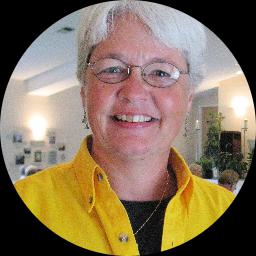
Florida · 32 yrs exp
LMHC - Life changes and self-esteem
LGBT · Grief · Self esteem · Coping with life changes · +1 more
Read profile
Florida · 23 yrs exp
LICSW LCSW - Life purpose and intimacy
LGBT · Intimacy-related issues
Read profile
Florida · 10 yrs exp
LCSW - Life purpose and relationship concerns
Stress, Anxiety · Addictions · Family · Grief · +8 more
Read profile
Florida · 13 yrs exp
Florida LMHC - Life purpose and anxiety
Stress, Anxiety · Self esteem · Career · Depression · +3 more
Read profile
Florida · 20 yrs exp
Florida LMHC - Life purpose and transitions
Stress, Anxiety · Relationship · Family · Self esteem · +9 more
Read profile
Florida · 20 yrs exp
LMHC in Florida - Stress and relationships
Stress, Anxiety · Addictions · Relationship · Self esteem · +1 more
Read profile
Florida · 11 yrs exp
LMHC in Florida - Stress and relationships
Stress, Anxiety · Relationship · Parenting · Self esteem · +11 more
Read profile
Florida · 20 yrs exp
Florida LMHC - Stress and Life Direction
Stress, Anxiety · Relationship · Grief · Self esteem · +1 more
Read profile
Florida · 8 yrs exp
LMHC in Florida - Life purpose and mood concerns
Stress, Anxiety · Trauma and abuse · Parenting · Self esteem · +11 more
Read profile
Florida · 13 yrs exp
LCSW focused on stress and addictions
Stress, Anxiety · Addictions · Relationship · Trauma and abuse · +1 more
Read profile
Florida · 24 yrs exp
Florida LMHC for stress and career support
Stress, Anxiety · Career · Depression · Coping with life changes · +12 more
Read profile
Florida · 13 yrs exp
Licensed Clinical Social Worker - Life purpose and relationships
Stress, Anxiety · Relationship · Trauma and abuse · Self esteem · +4 more
Read profile
Florida · 11 yrs exp
LMHC in Florida - Life purpose and transitions
Stress, Anxiety · Trauma and abuse · Grief · Depression · +8 more
Read profile
Florida · 20 yrs exp
Licensed Clinical Social Worker - Life purpose and trauma
Stress, Anxiety · Trauma and abuse · Grief · Self esteem · +9 more
Read profile
Florida · 25 yrs exp
Licensed LMHC - Relationships and Life Purpose
Stress, Anxiety · Relationship · Intimacy-related issues · Depression
Read profile
Florida · 13 yrs exp
Florida LMHC - Life purpose and stress
Stress, Anxiety · Self esteem · Career · Coping with life changes · +9 more
Read profile
Florida · 30 yrs exp
LMHC - Stress and Life Purpose
Stress, Anxiety · Addictions · Anger · Self esteem · +1 more
Read profile
Florida · 40 yrs exp
LCSW - Life purpose and relationship concerns
Stress, Anxiety · Addictions · LGBT · Relationship · +3 more
Read profile
Florida · 16 yrs exp
LCSW - Stress and life changes
Stress, Anxiety · Relationship · Anger · Depression · +1 more
Read profile
Florida · 20 yrs exp
LCSW - Stress and life transitions
Stress, Anxiety · Trauma and abuse · Anger · Self esteem · +11 more
Read profile
Florida · 8 yrs exp
Licensed Clinical Social Worker - Life purpose and mood concerns
Stress, Anxiety · Relationship · Self esteem · Depression · +14 more
Read profile
Florida · 25 yrs exp
Dr. Douglas Rodriguez - LMHC, Life purpose and coping
Stress, Anxiety · Addictions · Relationship · Depression · +1 more
Read profile
Florida · 20 yrs exp
LMHC in Florida - Stress and Life Purpose
Stress, Anxiety · Addictions · Trauma and abuse · Grief · +2 more
Read profile
Florida · 13 yrs exp
LMHC in Florida - Life purpose and relationships
Stress, Anxiety · Relationship · Self esteem · Depression · +1 more
Read profile
Florida · 5 yrs exp
LCSW - Life purpose and coping support
Stress, Anxiety · Addictions · Grief · Self esteem · +8 more
Read profile
Florida · 10 yrs exp
LMHC in Florida - Life purpose and stress
Stress, Anxiety · Trauma and abuse · Parenting · Self esteem · +13 more
Read profile
Florida · 7 yrs exp
LCSW - Life purpose and coping concerns
Addictions · Relationship · Self esteem · Career · +9 more
Read profile
Florida · 11 yrs exp
LMHC in Florida - Stress and Life Purpose
Stress, Anxiety · Relationship · Family · Trauma and abuse · +4 more
Read profile
Florida · 20 yrs exp
Florida LCSW - Stress and Life Purpose
Stress, Anxiety · Depression · Coping with life changes · Compassion fatigue
Read profileFeeling stuck after a job change, a relationship shift, a health challenge or a new life stage is common, and looking for guidance about purpose and direction is a practical step. When you read profiles, you will see therapists describe working with questions about values, motivation, decision-making and low mood. Those descriptions are starting points for deciding which profiles to read more deeply. You should expect to find clear wording about the kinds of transitions and concerns a clinician often works with, and whether they focus on questions about values, meaning, or practical decision strategies.
Keep in mind that therapy is not the same as career coaching or religious guidance, even when topics overlap. If low mood includes thoughts of harming yourself, contact local emergency services or a crisis line right away; for example, in the United States you can call or text 988 for immediate help. Use the profile information to select a few professionals whose language and emphasis feel like a match, then use the profile contact details to ask specific questions before committing to any ongoing work.
This directory groups profiles under a listed location, which helps you narrow candidates in Florida. A listed location does not by itself prove an office address, ongoing practice in that place, physical proximity, or current permission to work with people in your area. You should open a profile and look for explicit statements about where the professional is permitted to work, and confirm that they can work with you in your state or country.
Academic degrees such as PhD, PsyD, MD, MA and MSW indicate formal education but do not by themselves establish whether someone may legally practise in a given jurisdiction. In the United States, permission to practise is typically shown by a state license and titles vary by discipline and state. In the United Kingdom and Australia, clinicians often state registration, membership or affiliation with a recognised professional body; those phrases indicate different frameworks from US licensing. Profiles may list both degrees and licensure or registration details, so read each profile to see which applies and then confirm directly with the clinician if you need clarification.
When you contact a clinician after reading a profile, clear questions help you compare how a person works. Ask which issues they most often support people with and whether they routinely work with adults in transitions, low mood or decision-making. Ask how they describe the role of values in their work and whether they use strategies that focus on clarifying what matters to you versus strategies that emphasise coping or behaviour change. If the profile lists specific approaches - for example, therapists who list CBT, ACT or psychodynamic approaches - ask what that means in practice for sessions with you, and how they adapt those approaches for questions about purpose and direction.
Avoid asking whether someone is "the best" for you; instead ask about their experience with situations like yours. You can ask for examples of typical first steps in a course of work, how they measure progress together, and how they handle sessions when someone presents with low mood or difficulty making decisions. If you have a preference for working with professionals who use particular modalities, ask whether they regularly integrate those approaches and how that appears in their sessions. Remember that a profile note that a therapist lists an approach is not evidence of a qualification in that approach, so frame questions to learn about how they apply it rather than assuming certification.
If you plan to work online, raise practical and safety questions up front. Confirm whether the clinician can work with you in Florida and whether they also work with people across state lines or in other countries, because permission to practise can vary by jurisdiction. Ask about the technology they use, what you should expect in terms of session format and how they manage privacy and consent for online work. You can also ask how they handle difficulties that arise between sessions, including their approach if your mood worsens or if an urgent safety issue occurs. It is reasonable to ask how they will involve emergency services if needed and what local resources they expect you to contact in a crisis.
Be clear about the scope of online talk therapy. It is not career placement, legal advice or religious guidance, even when conversations touch on work, law, or faith. If you want help with concrete career steps or doctrinal questions, ask how the clinician balances therapeutic conversations with referrals to specialist advisors. Before beginning, check how they capture consent, what they recommend for a quiet, personal place for sessions, and whether they have written policies you can review about data handling and session cancellation.
Comparing profiles is most useful when you look for patterns rather than single words. Notice whether several profiles use similar language about values, meaning, decision-making or motivation and whether those profiles describe working with adults in life transitions or longer-term exploration. Pay attention to the specific focus areas listed on each profile rather than assuming coverage; a listed topic does not guarantee that a clinician works with children, couples or families, so ask directly if that matters to you.
Languages and cultural experience are practical comparators. If you prefer a clinician who speaks a particular language, check the profile language fields and read any narrative about cultural experience to see how they describe working across cultural differences. For credentials, compare academic degrees separately from professional registration or licensing statements. Look for clarity about whether the profile holder names a US state license, a UK registration or an Australian registration or membership and then confirm that status with the clinician if you need reassurance about their permission to practise where you live.
Finally, consider style and tone. Does the profile use clinical language, practical examples, values-focused phrasing or conversational language? Which tone feels most likely to help you be open and do the work you want to do? Use those impressions to select a few profiles to contact, and prepare the concrete questions that will help you decide whether to pursue a first conversation. The goal of comparing profiles is not instant clarity but to narrow options so your next step - a brief conversation with a clinician whose language aligns with your needs - is more likely to be useful.
Addictions
2373 therapists
ADHD
1687 therapists
Anger
2588 therapists
Autism
956 therapists
Chronic Illness
1751 therapists
Control Issues
3595 therapists
Depression
6335 therapists
Grief
3795 therapists
Guilt and Shame
6109 therapists
Intimacy Issues
1655 therapists
Isolation / Loneliness
5902 therapists
Midlife Crisis
3031 therapists
Mood Disorders
3746 therapists
Panic Disorder and Panic Attacks
3468 therapists
Post-Traumatic Stress
4300 therapists
Self Esteem
6282 therapists
Sleeping Disorders
839 therapists
Social Anxiety and Phobia
5036 therapists
Stress & Anxiety
7606 therapists
Trauma and Abuse
4651 therapists
Abandonment
3362 therapists
Aging and Geriatric Issues
1628 therapists
Attachment Issues
3856 therapists
Blended Family Issues
1861 therapists
Body Image
2532 therapists
Career
2373 therapists
Caregiver Issues and Stress
3630 therapists
Codependency
2456 therapists
Commitment Issues
2075 therapists
Compassion Fatigue
1948 therapists
Coping with Life Changes
5357 therapists
Divorce
3752 therapists
Family
2767 therapists
Family of Origin Issues
2024 therapists
Fatherhood Issues
1266 therapists
Forgiveness
5562 therapists
Infidelity
1890 therapists
Jealousy
1816 therapists
Money and Financial Issues
1893 therapists
Parenting
2005 therapists
Relationship
5059 therapists
Self-Love
6544 therapists
Workplace Issues
4017 therapists