
Marsha Oxamendi
LCSWFlorida · 14 yrs exp
Florida LCSW - Life purpose and stress
Stress, Anxiety · Grief · Anger · Self esteem · +12 more
Read profileTherapist listings are provided by BetterHelp. We will earn a commission at no additional cost to you if you use our links to purchase.
If you are rethinking a relationship while considering life purpose, direction or meaning, this page groups professionals who list Relationship among their focuses. You can compare listed location, approaches, credentials, languages and experience across the profiles to find practitioners who match what matters to you. Browse the profiles below to begin comparing and narrow your search.
Florida · 14 yrs exp
Florida LCSW - Life purpose and stress
Stress, Anxiety · Grief · Anger · Self esteem · +12 more
Read profile
Illinois · 19 yrs exp
Dr. Steven Hurley - Psychologist, Life purpose and mood concerns
Stress, Anxiety · LGBT · Relationship · Trauma and abuse · +9 more
Read profile
Minnesota · 14 yrs exp
LMFT - Relationships and Life Purpose
Stress, Anxiety · Relationship · Family · Trauma and abuse · +8 more
Read profile
New York · 24 yrs exp
Licensed Clinical Social Worker - Life purpose, stress
Stress, Anxiety · Relationship · Anger · Self esteem · +12 more
Read profile
Ohio · 3 yrs exp
Ohio LPCC - Life purpose and mood concerns
Addictions · Family · Anger · Depression · +6 more
Read profile
Kentucky · 28 yrs exp
Licensed counselor - life transitions and relationships
Stress, Anxiety · Relationship · Family · Grief · +5 more
Read profile
Arizona · 6 yrs exp
Licensed Professional Counselor - Life purpose and relationships
Stress, Anxiety · Relationship · Family · Self esteem · +11 more
Read profile
Texas · 22 yrs exp
LPC for adults - life purpose and transitions
Stress, Anxiety · Grief · Career · Depression · +9 more
Read profile
Oregon · 32 yrs exp
Licensed Marriage and Family Therapist - Life purpose, relationships
Stress, Anxiety · Relationship · Trauma and abuse · Grief · +9 more
Read profile
Michigan · 45 yrs exp
Licensed counselor - Life purpose and addiction support
Stress, Anxiety · Addictions · Trauma and abuse · Grief · +10 more
Read profile
Texas · 12 yrs exp
LPC in Texas - Life purpose and mood concerns
Stress, Anxiety · Self esteem · Career · Depression · +9 more
Read profile
Texas · 10 yrs exp
Licensed Professional Counselor - Relationships and Life Purpose
Relationship · Family · Anger · Self esteem · +12 more
Read profile
Oklahoma · 30 yrs exp
LPC - Life purpose and relationship focus
Stress, Anxiety · Grief · Intimacy-related issues · Depression · +8 more
Read profile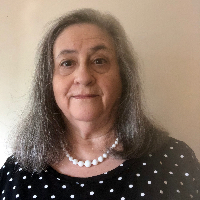
Mississippi · 23 yrs exp
LCSW - Life purpose and coping concerns
Stress, Anxiety · Grief · Anger · Self esteem · +8 more
Read profile
North Carolina · 13 yrs exp
LCSW focusing on life purpose and confidence
Stress, Anxiety · Relationship · Family · Self esteem · +13 more
Read profile
California · 14 yrs exp
Licensed Clinical Social Worker - Life purpose and adjustment
Stress, Anxiety · Trauma and abuse · Grief · Self esteem · +8 more
Read profile
South Carolina · 10 yrs exp
LISW-CP - Stress and relationship concerns
Stress, Anxiety · Relationship · Family · Trauma and abuse · +1 more
Read profile
Florida · 10 yrs exp
LCSW - Life purpose and relationship concerns
Stress, Anxiety · Addictions · Family · Grief · +8 more
Read profile
Michigan · 35 yrs exp
LMSW in Michigan - Life purpose and relationships
Stress, Anxiety · Addictions · Trauma and abuse · Self esteem · +3 more
Read profile
North Carolina · 20 yrs exp
Licensed Professional Counselor - Life purpose and relationships
Stress, Anxiety · Relationship · Family · Self esteem · +9 more
Read profile
Indiana · 11 yrs exp
LCSW - Life purpose and relationship focus
Stress, Anxiety · Grief · Depression · Coping with life changes · +8 more
Read profile
Kentucky · 11 yrs exp
Licensed Marriage and Family Therapist - relationships and life transitions
Stress, Anxiety · Relationship · Family · Self esteem · +9 more
Read profile
Pennsylvania · 9 yrs exp
Licensed Professional Counselor - Life purpose and transitions
Stress, Anxiety · Grief · Parenting · Self esteem · +11 more
Read profile
Mississippi · 9 yrs exp
Licensed Professional Counselor - Stress and Life Purpose
Stress, Anxiety · Trauma and abuse · Parenting · Anger · +13 more
Read profile
Mississippi · 12 yrs exp
LCSW - Life purpose and coping support
Stress, Anxiety · Addictions · Anger · Self esteem · +12 more
Read profile
Florida · 20 yrs exp
Florida LMHC - Life purpose and transitions
Stress, Anxiety · Relationship · Family · Self esteem · +9 more
Read profile
Virginia · 14 yrs exp
Licensed Professional Counselor - Trauma and Life Changes
Trauma and abuse · Grief · Coping with life changes · Compassion fatigue · +12 more
Read profile
Nebraska · 25 yrs exp
LMHP counselor - Life purpose and coping support
Stress, Anxiety · Family · Trauma and abuse · Parenting · +12 more
Read profile
New York · 24 yrs exp
LCSW - Life purpose and relationships
Stress, Anxiety · Addictions · Family · Parenting · +9 more
Read profile
Alabama · 20 yrs exp
Licensed Professional Counselor - Life purpose and transitions
Stress, Anxiety · Relationship · Grief · Depression · +9 more
Read profileYou may arrive here feeling stuck, unsure which choices line up with your values, or worn out by repeated conflicts that make decisions feel harder. Relationship concerns often sit alongside questions about identity, purpose and direction - for example, whether a particular partnership supports who you want to become, whether parenting or caregiving roles match your priorities, or whether recent life changes have shifted what you want from intimacy. Low mood, loss of motivation and decision fatigue are common responses when meaning feels unclear. If your low mood includes thoughts of harming yourself, call your local emergency services or a crisis line immediately. In the United States you can call or text 988, in the United Kingdom you can contact Samaritans at 116 123, and in Australia Lifeline is 13 11 14. Reaching out for urgent support is important before starting any ongoing care.
Relationship-focused work can explore how your connections influence your sense of purpose without assuming a single cause-effect relationship. You might look at how shared values or conflicts shape day-to-day decisions, how expectations about roles affect your sense of who you are, or how the end of a relationship prompts a reassessment of direction and priorities. Some people use relationship conversations to re-evaluate broader life goals; others focus on communication patterns, boundaries or grief and loss that affect motivation. The therapists listed on this page include Relationship as a focus alongside life purpose and related themes, which means you can find profiles that deliberately acknowledge both areas. That does not mean every therapist treats every related problem or that the listing implies certification in any specific approach. Use this context to guide questions about whether a particular practitioner talks about the intersection of relationships and life direction in a way that resonates with you.
When you review a profile, look for language that clarifies how the practitioner frames relationship concerns and life purpose issues. Ask whether they have experience with situations similar to yours, for example navigating separation while rethinking career and meaning, managing caregiving responsibilities that conflict with personal goals, or rebuilding identity after a major life transition. You may want to know which approaches they list and what those approaches typically involve in practice - for example, some therapists describe narrative-based work that examines life stories, while others list interpersonal or emotion-focused approaches. It is appropriate to ask how they measure progress, what a typical session aims to explore, and whether they work mainly with individuals, or also with couples and families. Be clear that a degree such as a PhD, PsyD, MD, MA or MSW indicates academic training, while permission to practise is a separate matter; in the United States this typically means a current state license such as LCSW, LMFT or LPC, while in the United Kingdom and Australia you may see references to professional registration or membership. Degrees and listed approaches are informative, but they do not by themselves establish the scope of practice or whether someone will be a match for your particular needs.
If you plan to connect remotely, there are practical topics to cover in an initial conversation so you know what to expect. Ask where the practitioner is legally permitted to provide care - practitioners in the United States will typically note a state license, while those in the United Kingdom or Australia may reference registration or membership; ask how that applies if you and the practitioner are in different jurisdictions. Talk about how sessions are conducted, what technology is used, and what contingency plans exist for interruptions or emergencies. Clarify what the therapist sees as the boundary between talk therapy and other types of help - online therapy is not career coaching or religious guidance even if life direction or meaning come up in sessions. It is also reasonable to discuss session length, the frequency they commonly recommend for the concerns you bring, and how they handle issues that fall outside their scope. Before you begin, ask about how the practitioner responds to crisis situations so you understand the local resources they may suggest if urgent help is needed in your area.
Comparing profiles effectively means looking beyond a single line that lists Relationship or life purpose. Notice which additional focus areas appear together, such as transitions, grief, motivation or values work, as that pairing can indicate a broader orientation toward the questions you have. Pay attention to the approaches they list, recognizing phrasing like "therapists who list EMDR among their approaches" signals an option you can discuss further, not definitive proof of particular training. Look for explicit mentions of populations they work with if that matters to you, but do not assume a topic listing means they treat children, couples or families unless the profile says so and you confirm it. Language options are important if you prefer to speak in a language other than English; profiles often list languages and this can shape how comfortable you feel discussing deeper values. Compare credentials by reading degree information separately from licensing or registration details - a PhD or MSW describes education, while a license or national registration indicates the permission landscape in their country. Finally, consider the tone and style in profile descriptions to get a sense of whether the practitioner emphasizes reflective exploration, structured goal-setting, relational repair or another orientation. Concrete questions you might bring to an introductory message include asking for examples of how they have worked with similar decisions or transitions, how they describe the relationship between values and day-to-day choices, and what they recommend discussing first in sessions. Use those answers, along with listed location and practical details, to decide which profiles to contact and what to cover in an initial conversation.
Finding a practitioner who matches your concerns and preferences takes time, and browsing profiles on this page is a step toward clarifying which approaches and backgrounds feel most relevant to you. Remember to raise any specific needs about jurisdiction, scope of practice and crisis planning early in the conversation. If you are experiencing an urgent crisis or have immediate safety concerns, contact emergency services or a crisis line in your country before seeking ongoing care. Otherwise, use the profiles here to compare practitioners on the points that matter most to your sense of direction and meaning in life and relationships.
Alabama
115 therapists
Alaska
12 therapists
Arizona
80 therapists
Arkansas
64 therapists
Australia
278 therapists
California
807 therapists
Colorado
157 therapists
Connecticut
79 therapists
Delaware
16 therapists
District of Columbia
21 therapists
Florida
710 therapists
Georgia
171 therapists
Hawaii
27 therapists
Idaho
44 therapists
Illinois
268 therapists
Indiana
105 therapists
Iowa
34 therapists
Kansas
48 therapists
Kentucky
105 therapists
Louisiana
126 therapists
Maine
26 therapists
Maryland
127 therapists
Massachusetts
85 therapists
Michigan
251 therapists
Minnesota
80 therapists
Mississippi
76 therapists
Missouri
142 therapists
Montana
38 therapists
Nebraska
36 therapists
Nevada
54 therapists
New Hampshire
15 therapists
New Jersey
157 therapists
New Mexico
27 therapists
New York
410 therapists
North Carolina
251 therapists
North Dakota
6 therapists
Ohio
181 therapists
Oklahoma
131 therapists
Oregon
54 therapists
Pennsylvania
244 therapists
Rhode Island
14 therapists
South Carolina
112 therapists
South Dakota
15 therapists
Tennessee
106 therapists
Texas
811 therapists
United Kingdom
1164 therapists
Utah
60 therapists
Vermont
16 therapists
Virginia
132 therapists
Washington
106 therapists
West Virginia
20 therapists
Wisconsin
92 therapists
Wyoming
23 therapists