
Marsha Oxamendi
LCSWFlorida · 14 yrs exp
Florida LCSW - Life purpose and stress
Stress, Anxiety · Grief · Anger · Self esteem · +12 more
Read profileTherapist listings are provided by BetterHelp. We will earn a commission at no additional cost to you if you use our links to purchase.
Compare therapists who list Control Issues together with life purpose, direction and meaning by focus areas, therapeutic approaches, credentials, languages and listed location. Browse the profiles below to learn more about practitioners and reach out to those whose experience aligns with the concerns you want to address.
Florida · 14 yrs exp
Florida LCSW - Life purpose and stress
Stress, Anxiety · Grief · Anger · Self esteem · +12 more
Read profile
Illinois · 19 yrs exp
Dr. Steven Hurley - Psychologist, Life purpose and mood concerns
Stress, Anxiety · LGBT · Relationship · Trauma and abuse · +9 more
Read profile
Minnesota · 14 yrs exp
LMFT - Relationships and Life Purpose
Stress, Anxiety · Relationship · Family · Trauma and abuse · +8 more
Read profile
District of Columbia · 20 yrs exp
Licensed Professional Counselor - Trauma and Coaching
Trauma and abuse · Self esteem · Bipolar · Depression · +1 more
Read profile
New York · 24 yrs exp
Licensed Clinical Social Worker - Life purpose, stress
Stress, Anxiety · Relationship · Anger · Self esteem · +12 more
Read profile
Arizona · 6 yrs exp
Licensed Professional Counselor - Life purpose and relationships
Stress, Anxiety · Relationship · Family · Self esteem · +11 more
Read profile
Texas · 22 yrs exp
LPC for adults - life purpose and transitions
Stress, Anxiety · Grief · Career · Depression · +9 more
Read profile
Oregon · 14 yrs exp
LPC in Oregon - Life purpose and coping concerns
Grief · Self esteem · Career · Depression · +8 more
Read profile
Oregon · 32 yrs exp
Licensed Marriage and Family Therapist - Life purpose, relationships
Stress, Anxiety · Relationship · Trauma and abuse · Grief · +9 more
Read profile
Michigan · 45 yrs exp
Licensed counselor - Life purpose and addiction support
Stress, Anxiety · Addictions · Trauma and abuse · Grief · +10 more
Read profile
Oklahoma · 30 yrs exp
LPC - Life purpose and relationship focus
Stress, Anxiety · Grief · Intimacy-related issues · Depression · +8 more
Read profile
North Carolina · 13 yrs exp
LCSW focusing on life purpose and confidence
Stress, Anxiety · Relationship · Family · Self esteem · +13 more
Read profile
Florida · 10 yrs exp
LCSW - Life purpose and relationship concerns
Stress, Anxiety · Addictions · Family · Grief · +8 more
Read profile
Michigan · 35 yrs exp
LMSW in Michigan - Life purpose and relationships
Stress, Anxiety · Addictions · Trauma and abuse · Self esteem · +3 more
Read profile
North Carolina · 20 yrs exp
Licensed Professional Counselor - Life purpose and relationships
Stress, Anxiety · Relationship · Family · Self esteem · +9 more
Read profile
Louisiana · 14 yrs exp
Dr. Lawana Mabry - LCSW, Life purpose and coping
Stress, Anxiety · Anger · Self esteem · Depression · +9 more
Read profile
Mississippi · 12 yrs exp
LCSW - Life purpose and coping support
Stress, Anxiety · Addictions · Anger · Self esteem · +12 more
Read profile
Florida · 20 yrs exp
Florida LMHC - Life purpose and transitions
Stress, Anxiety · Relationship · Family · Self esteem · +9 more
Read profile
Virginia · 14 yrs exp
Licensed Professional Counselor - Trauma and Life Changes
Trauma and abuse · Grief · Coping with life changes · Compassion fatigue · +12 more
Read profile
Nebraska · 25 yrs exp
LMHP counselor - Life purpose and coping support
Stress, Anxiety · Family · Trauma and abuse · Parenting · +12 more
Read profile
Alabama · 20 yrs exp
Licensed Professional Counselor - Life purpose and transitions
Stress, Anxiety · Relationship · Grief · Depression · +9 more
Read profile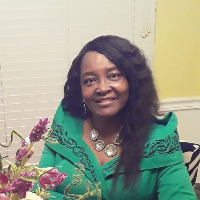
Florida · 20 yrs exp
LMHC in Florida - Stress and relationships
Stress, Anxiety · Addictions · Relationship · Self esteem · +1 more
Read profile
New York · 15 yrs exp
LCSW - Life purpose and relationship work
Stress, Anxiety · Addictions · Relationship · Self esteem · +10 more
Read profile
Louisiana · 25 yrs exp
Licensed Clinical Social Worker - Stress and Anxiety
Stress, Anxiety · Family · Anger · Self esteem · +1 more
Read profile
Oregon · 17 yrs exp
LMFT - Stress and Trauma-focused care
Stress, Anxiety · Trauma and abuse · Grief · Intimacy-related issues · +1 more
Read profile
Texas · 5 yrs exp
Licensed clinical social worker - Life purpose and coping issues
Stress, Anxiety · Relationship · Family · Trauma and abuse · +9 more
Read profile
Texas · 3 yrs exp
Licensed Professional Counselor - Life purpose and anxiety
Stress, Anxiety · Addictions · Relationship · Family · +5 more
Read profile
Florida · 11 yrs exp
LMHC in Florida - Stress and relationships
Stress, Anxiety · Relationship · Parenting · Self esteem · +11 more
Read profile
Wyoming · 14 yrs exp
LCSW - Life purpose and change work
Addictions · Relationship · Depression · Coping with life changes · +11 more
Read profile
North Carolina · 30 yrs exp
LCMHC in North Carolina - Life purpose and transitions
Stress, Anxiety · Addictions · LGBT · Trauma and abuse · +1 more
Read profileWhen control becomes a central concern it can take different shapes. You might feel a constant need to plan and oversee every outcome, or you may experience the opposite - feeling that important areas of your life are out of reach and that nothing you do matters. Control issues can show up as difficulty making decisions, low motivation, persistent worry about outcomes, or tension in relationships where expectations and boundaries collide. These experiences are particularly common after a life change - a workplace transition, the end of a relationship, a health challenge or an unfamiliar life stage - moments that make questions about what matters feel urgent.
It is helpful to separate the emotional and practical parts of what you are feeling. The emotional side often involves fear of loss, shame about uncertainty or frustration about unmet expectations. The practical side covers habits, routines and decision-making patterns that reinforce your sense of being stuck. When you look at both, you can begin to identify immediate steps that reduce day-to-day strain while also exploring deeper values and long-term direction. Therapy can be one place to do both kinds of work; profiles in this directory can help you see which practitioners list experience relevant to those layers.
Control issues and the search for meaning often intersect but are not the same thing. You can be someone who is highly organized and still question whether your day-to-day choices reflect what matters. Conversely, you may feel overwhelmed by uncertainty and find it hard to align your actions with any sense of purpose. This page groups professionals who identify both topics, which can be useful if you want help that explicitly addresses how decision-making and personal values interact.
Rather than assuming a direct causal link between control struggles and a lack of direction, think of them as related threads that can be woven together in conversation with a clinician. You might explore how values guide the choices you feel able to make, how perfectionistic or avoidant tendencies shape motivation, and how past experience influences your tolerance for risk. The goal of those conversations is not to promise clarity or a single right path, but to create a working understanding that helps you make more deliberate day-to-day decisions while you test longer-term possibilities.
When you review profiles, you can look beyond labels and ask specific questions that matter to you. A useful opening question is about experience: how much work has the clinician done with people who describe feeling stuck after a major change, or who are wrestling with decision fatigue and pressure to have everything figured out? Ask about the kinds of concerns they commonly address and how they describe their typical starting point with a new person. That will give you a sense of whether their focus matches your priorities.
Be explicit about therapeutic approaches you are curious about. Many profiles list approaches - for example cognitive-behavioral strategies, psychodynamic perspectives, emotion-focused work or acceptance-oriented methods - and you can ask how those approaches are used in practice. Phrase questions in a practical way: how would this approach help when I am avoiding decisions, or when I feel low motivation? You can also ask about therapists who list EMDR or other modalities among their approaches by saying you notice those names in profiles and would like to understand what role they play in addressing control-related patterns. Remember that a listed approach is an indication to ask about, not a guarantee of training or outcome.
Ask about professional background in terms that matter to safety and fit. Degrees such as PhD, PsyD, MD, MA or MSW describe academic preparation. In the United States many clinicians also hold state licenses that regulate practice. In the United Kingdom clinicians commonly list professional registration or membership with recognized bodies, and in Australia practitioners may list national registration or association membership. A degree alone does not establish current permission to practice, so it is reasonable to ask about a clinician's current registration or licensing status in the region where they offer care, and to clarify whether they primarily work with adults or with other populations.
If you are considering online sessions, there are practical topics to cover before you begin. Ask about the format they use for sessions, what platform or technology they prefer, and how they handle scheduling and cancellations. You can ask how they manage communication between sessions - for example whether they use email or a messaging portal for brief updates - and what you should expect around response times. These are logistical questions that help you set realistic expectations about how the relationship will operate.
It is important to discuss safety planning and emergency procedures. Ask how the clinician handles crisis situations and what steps they recommend if you experience intense low mood or thoughts of self-harm between meetings. If your low mood includes thoughts of self-harm, contact local emergency services or a crisis line right away. Online talk therapy is not career coaching or religious guidance, and it is appropriate to ask how the clinician defines the scope of their work and whether they will coordinate with any other professionals you rely on, such as your GP or a specialist. Clarify any limits to the kind of support they provide so you can match your immediate needs with the clinician's practice.
Profiles can tell you more than a list of topics. Look for how practitioners describe their focus areas in relation to the life questions you have - whether they emphasize values exploration, decision-making strategies, mood management, or relationships and boundaries. Language offerings are also important; if you prefer to speak in a language other than English, seek profiles that list that language. Listed location is useful when you want someone familiar with regional systems, though many clinicians offer care across state or national lines in line with their registration or licensing.
When you compare credentials, distinguish academic degrees from licenses and registrations. A PhD or PsyD indicates doctoral-level academic training, an MSW or MA signals graduate preparation in social work or counseling fields, and an MD reflects medical training. Licenses, registrations or professional memberships indicate whether a clinician is authorized to practice in a particular jurisdiction. These details can affect how clinicians coordinate with other services, so include them in your comparison along with the kinds of populations they describe working with.
Interpersonal fit is harder to see on a page, but profiles that describe therapeutic style can help. Notice whether a clinician emphasizes collaborative problem solving, a reflective conversational style, skills-building and homework, or insight-oriented exploration. You can turn these descriptions into comparison questions such as: how do you balance direct problem-solving with space for deeper reflection? What do you expect from a person between sessions? How do you support someone who struggles with decision paralysis? These concrete questions will help you assess which profiles merit a first contact and which professionals are likely to match the way you prefer to work.
As you move from browsing to making contact, keep in mind that a listed focus on Control Issues and life purpose, direction and meaning is an invitation to ask about the specifics of practice. Profiles are a starting point for a conversation about fit, not a guarantee of training, outcomes or scope. When in doubt, reach out to discuss what matters to you and whether a clinician's approach and background align with your current priorities.
Alabama
115 therapists
Alaska
12 therapists
Arizona
80 therapists
Arkansas
64 therapists
Australia
278 therapists
California
807 therapists
Colorado
157 therapists
Connecticut
79 therapists
Delaware
16 therapists
District of Columbia
21 therapists
Florida
710 therapists
Georgia
171 therapists
Hawaii
27 therapists
Idaho
44 therapists
Illinois
268 therapists
Indiana
105 therapists
Iowa
34 therapists
Kansas
48 therapists
Kentucky
105 therapists
Louisiana
126 therapists
Maine
26 therapists
Maryland
127 therapists
Massachusetts
85 therapists
Michigan
251 therapists
Minnesota
80 therapists
Mississippi
76 therapists
Missouri
142 therapists
Montana
38 therapists
Nebraska
36 therapists
Nevada
54 therapists
New Hampshire
15 therapists
New Jersey
157 therapists
New Mexico
27 therapists
New York
410 therapists
North Carolina
251 therapists
North Dakota
6 therapists
Ohio
181 therapists
Oklahoma
131 therapists
Oregon
54 therapists
Pennsylvania
244 therapists
Rhode Island
14 therapists
South Carolina
112 therapists
South Dakota
15 therapists
Tennessee
106 therapists
Texas
811 therapists
United Kingdom
1164 therapists
Utah
60 therapists
Vermont
16 therapists
Virginia
132 therapists
Washington
106 therapists
West Virginia
20 therapists
Wisconsin
92 therapists
Wyoming
23 therapists