
Dr. Steven Hurley
IL Psychologist 071007009Illinois · 19 yrs exp
Dr. Steven Hurley - Psychologist, Life purpose and mood concerns
Stress, Anxiety · LGBT · Relationship · Trauma and abuse · +9 more
Read profileTherapist listings are provided by BetterHelp. We will earn a commission at no additional cost to you if you use our links to purchase.
This page groups profiles of practitioners who list Family of Origin Issues among their focus areas alongside life purpose, direction or meaning. Use the profiles to compare listed location, approaches, credentials and languages as you consider who to contact.
Illinois · 19 yrs exp
Dr. Steven Hurley - Psychologist, Life purpose and mood concerns
Stress, Anxiety · LGBT · Relationship · Trauma and abuse · +9 more
Read profile
Florida · 23 yrs exp
LICSW LCSW - Life purpose and intimacy
LGBT · Intimacy-related issues
Read profile
Minnesota · 14 yrs exp
LMFT - Relationships and Life Purpose
Stress, Anxiety · Relationship · Family · Trauma and abuse · +8 more
Read profile
Texas · 22 yrs exp
LPC for adults - life purpose and transitions
Stress, Anxiety · Grief · Career · Depression · +9 more
Read profile
Oregon · 14 yrs exp
LPC in Oregon - Life purpose and coping concerns
Grief · Self esteem · Career · Depression · +8 more
Read profile
Oregon · 32 yrs exp
Licensed Marriage and Family Therapist - Life purpose, relationships
Stress, Anxiety · Relationship · Trauma and abuse · Grief · +9 more
Read profile
Texas · 10 yrs exp
Licensed Professional Counselor - Relationships and Life Purpose
Relationship · Family · Anger · Self esteem · +12 more
Read profile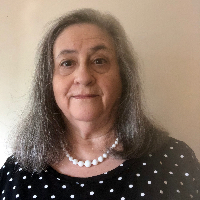
Mississippi · 23 yrs exp
LCSW - Life purpose and coping concerns
Stress, Anxiety · Grief · Anger · Self esteem · +8 more
Read profile
North Carolina · 13 yrs exp
LCSW focusing on life purpose and confidence
Stress, Anxiety · Relationship · Family · Self esteem · +13 more
Read profile
Florida · 10 yrs exp
LCSW - Life purpose and relationship concerns
Stress, Anxiety · Addictions · Family · Grief · +8 more
Read profile
South Carolina · 36 yrs exp
LISW-CP counselor - Life purpose and mood concerns
Stress, Anxiety · Addictions · Family · Trauma and abuse · +3 more
Read profile
Michigan · 35 yrs exp
LMSW in Michigan - Life purpose and relationships
Stress, Anxiety · Addictions · Trauma and abuse · Self esteem · +3 more
Read profile
Indiana · 11 yrs exp
LCSW - Life purpose and relationship focus
Stress, Anxiety · Grief · Depression · Coping with life changes · +8 more
Read profile
Kentucky · 11 yrs exp
Licensed Marriage and Family Therapist - relationships and life transitions
Stress, Anxiety · Relationship · Family · Self esteem · +9 more
Read profile
Florida · 20 yrs exp
Florida LMHC - Life purpose and transitions
Stress, Anxiety · Relationship · Family · Self esteem · +9 more
Read profile
Virginia · 14 yrs exp
Licensed Professional Counselor - Trauma and Life Changes
Trauma and abuse · Grief · Coping with life changes · Compassion fatigue · +12 more
Read profile
Nebraska · 25 yrs exp
LMHP counselor - Life purpose and coping support
Stress, Anxiety · Family · Trauma and abuse · Parenting · +12 more
Read profile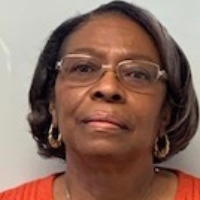
Alabama · 20 yrs exp
Licensed Professional Counselor - Life purpose and transitions
Stress, Anxiety · Relationship · Grief · Depression · +9 more
Read profile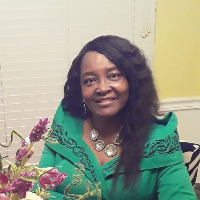
Florida · 20 yrs exp
LMHC in Florida - Stress and relationships
Stress, Anxiety · Addictions · Relationship · Self esteem · +1 more
Read profile
Illinois · 38 yrs exp
Licensed counselor - Life purpose and coping
Stress, Anxiety · Self esteem · Depression · Coping with life changes · +9 more
Read profile
New York · 15 yrs exp
LCSW - Life purpose and relationship work
Stress, Anxiety · Addictions · Relationship · Self esteem · +10 more
Read profile
Oregon · 17 yrs exp
LMFT - Stress and Trauma-focused care
Stress, Anxiety · Trauma and abuse · Grief · Intimacy-related issues · +1 more
Read profile
Texas · 5 yrs exp
Licensed clinical social worker - Life purpose and coping issues
Stress, Anxiety · Relationship · Family · Trauma and abuse · +9 more
Read profile
California · 39 yrs exp
LMFT - Stress and Life purpose support
Stress, Anxiety · Relationship · Grief · Career · +1 more
Read profile
Florida · 11 yrs exp
LMHC in Florida - Stress and relationships
Stress, Anxiety · Relationship · Parenting · Self esteem · +11 more
Read profile
Wyoming · 14 yrs exp
LCSW - Life purpose and change work
Addictions · Relationship · Depression · Coping with life changes · +11 more
Read profile
North Carolina · 30 yrs exp
LCMHC in North Carolina - Life purpose and transitions
Stress, Anxiety · Addictions · LGBT · Trauma and abuse · +1 more
Read profile
Texas · 26 yrs exp
Licensed Professional Counselor - Life purpose and transitions
Stress, Anxiety · Relationship · Trauma and abuse · Grief · +11 more
Read profile
Nevada · 25 yrs exp
LMFT - Relationships and Family Focus
Stress, Anxiety · Relationship · Family · Trauma and abuse · +1 more
Read profile
Texas · 6 yrs exp
LMFT in Texas - Relationships and Life Purpose
Relationship · Family · Parenting · Self esteem · +1 more
Read profileWhen you are reassessing what matters, patterns from your upbringing often feel relevant. You may notice recurring expectations about achievement, relationship roles or emotional expression that echo the environment you grew up in. These patterns can shape what you consider meaningful, what decisions feel possible and how motivation shows up day to day. Exploring those influences does not automatically produce a single answer about purpose, but it can help you see which aspects of your current situation reflect inherited assumptions and which reflect your own emerging priorities.
In practice you are likely to bring examples - career choices shaped by a parent's values, conflict avoidance learned in childhood, or a sense that certain goals are off-limits. Working on family of origin themes usually focuses on understanding those dynamics and noticing how they influence values and decisions now. That understanding can create space to experiment with new ways of making choices when you feel directionless or pressured to have everything figured out. If your low mood includes thoughts of harming yourself, contact emergency services or a crisis line right away - in the U.S. call 988, in the U.K. contact Samaritans at 116 123, and in Australia call Lifeline at 13 11 14.
You may want to know whether family history is the cause of feeling stuck. It is more useful to think of family patterns as influences rather than sole causes. Your values and sense of direction develop in relation to many factors - peers, work experiences, health, life stages and the broader cultural context. Tracing family patterns can help you see why certain options feel impossible or why particular choices feel especially urgent. It can also reveal values that were absorbed rather than chosen, which can be helpful when you are deciding what to keep and what to change.
Because the directory focus includes life purpose and direction, the profiles here highlight practitioners who indicate an interest in both family of origin issues and questions of meaning. That overlap may make it easier to find a practitioner who mentions working with values, transitions or motivation. However, a listed focus does not prove a particular outcome or guarantee a match for your needs. You can expect to use sessions to try out perspectives, test practical steps and refine questions about your priorities rather than to receive a definitive roadmap toward fulfillment.
When you review profiles, prepare concrete questions that reflect what matters to you. Ask how the practitioner describes their approach to family patterns and whether they often work with adults re-evaluating life direction after a major change. You might want to know whether they list experience with life stage challenges such as career transition, retirement, or new caregiving roles. If you have expectations about therapeutic style - for example a reflective, exploratory tone versus a more structured, solution-focused process - ask how they describe their typical session flow and what kind of homework or in-session work they recommend.
Clarify how the practitioner represents their academic degrees and current permission to practise in their listed location. A PhD, PsyD or MD indicates a doctoral degree and MA or MSW indicates a graduate degree; these are academic qualifications. Separate from degrees, many regions require professional licensing, registration or recognised membership to offer counselling or psychotherapy. In the U.S. clinicians commonly hold state licenses; in the U.K. and Australia practitioners may be registered or belong to professional bodies. A degree alone does not establish current permission to practise, so ask directly about registration or licensure for the jurisdiction where the practitioner works.
If you are considering online sessions, discuss practical and clinical details up front. Ask about the format the practitioner uses - whether they describe sessions as audio, video or text-based - and what platform or communication method they prefer. It is reasonable to ask how they handle documentation and what to expect about session notes and follow-up. Also discuss boundaries around emergency situations and what steps they recommend if you are experiencing a crisis between sessions. Knowing how they plan for urgent needs helps you decide whether their way of working fits your circumstances.
Be explicit about scope of practice. A listed topic does not mean the practitioner treats children, couples or families, so check whether the practitioner works with the population you need. If you have concerns that might require medical, legal or specialised services, ask how the practitioner collaborates with other professionals or what referrals they suggest. Finally, talk about how cultural background, identity and family structures are addressed in their work if those areas matter to you. Language preferences are practical too - profiles often note languages spoken, which can make communication and nuance easier to manage.
Comparing profiles is about matching the details in the profile to the practical needs you bring. Look first at stated focus areas - does the profile list family of origin concerns alongside life purpose, transitions or values work? Next, read how the practitioner describes their approach and note whether they mention methods that resonate with you; for example therapists who list EMDR among their approaches are indicating an interest in trauma-related tools, while others may describe narrative, psychodynamic or cognitive approaches as part of their practice. Remember these mentions are options to discuss, not proof of specific training.
Consider listed location and languages as part of accessibility rather than endorsement. The listed location can indicate time zone or region for scheduling; languages noted in a profile can make it easier to express cultural nuances. Check the section of a profile where credentials and degrees are described. Compare academic degrees such as PhD, PsyD, MD, MA or MSW to statements about current licensure, registration or membership for the jurisdiction shown in the profile. Finally, look for language about whom the practitioner typically works with and read any client descriptions they include to gauge fit. When you find profiles that align on several of these points, you can prioritize reaching out to ask the specific questions you prepared about approach, experience and logistics.
Alabama
115 therapists
Alaska
12 therapists
Arizona
80 therapists
Arkansas
64 therapists
Australia
278 therapists
California
807 therapists
Colorado
157 therapists
Connecticut
79 therapists
Delaware
16 therapists
District of Columbia
21 therapists
Florida
710 therapists
Georgia
171 therapists
Hawaii
27 therapists
Idaho
44 therapists
Illinois
268 therapists
Indiana
105 therapists
Iowa
34 therapists
Kansas
48 therapists
Kentucky
105 therapists
Louisiana
126 therapists
Maine
26 therapists
Maryland
127 therapists
Massachusetts
85 therapists
Michigan
251 therapists
Minnesota
80 therapists
Mississippi
76 therapists
Missouri
142 therapists
Montana
38 therapists
Nebraska
36 therapists
Nevada
54 therapists
New Hampshire
15 therapists
New Jersey
157 therapists
New Mexico
27 therapists
New York
410 therapists
North Carolina
251 therapists
North Dakota
6 therapists
Ohio
181 therapists
Oklahoma
131 therapists
Oregon
54 therapists
Pennsylvania
244 therapists
Rhode Island
14 therapists
South Carolina
112 therapists
South Dakota
15 therapists
Tennessee
106 therapists
Texas
811 therapists
United Kingdom
1164 therapists
Utah
60 therapists
Vermont
16 therapists
Virginia
132 therapists
Washington
106 therapists
West Virginia
20 therapists
Wisconsin
92 therapists
Wyoming
23 therapists