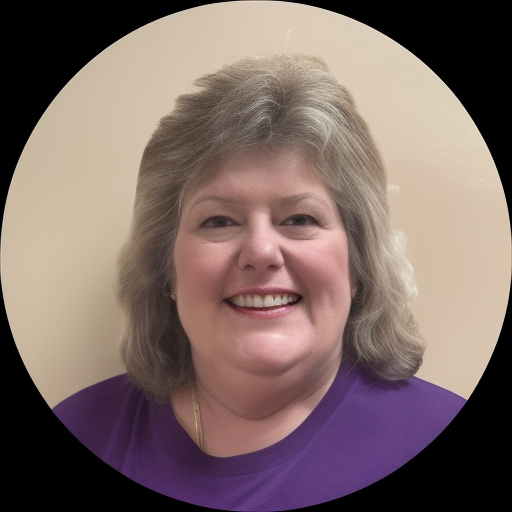
Marsha Oxamendi
LCSWFlorida · 14 yrs exp
Florida LCSW - Life purpose and stress
Stress, Anxiety · Grief · Anger · Self esteem · +12 more
Read profileTherapist listings are provided by BetterHelp. We will earn a commission at no additional cost to you if you use our links to purchase.
This page groups profiles of practitioners who list Infidelity alongside concerns about life purpose, direction and meaning. Use the profile details to compare focus areas, approaches, credentials, languages and listed location, then browse profiles to learn more.
Florida · 14 yrs exp
Florida LCSW - Life purpose and stress
Stress, Anxiety · Grief · Anger · Self esteem · +12 more
Read profile
Illinois · 19 yrs exp
Dr. Steven Hurley - Psychologist, Life purpose and mood concerns
Stress, Anxiety · LGBT · Relationship · Trauma and abuse · +9 more
Read profile
Minnesota · 14 yrs exp
LMFT - Relationships and Life Purpose
Stress, Anxiety · Relationship · Family · Trauma and abuse · +8 more
Read profile
Arizona · 6 yrs exp
Licensed Professional Counselor - Life purpose and relationships
Stress, Anxiety · Relationship · Family · Self esteem · +11 more
Read profile
Oklahoma · 30 yrs exp
LPC - Life purpose and relationship focus
Stress, Anxiety · Grief · Intimacy-related issues · Depression · +8 more
Read profile
California · 14 yrs exp
Licensed Clinical Social Worker - Life purpose and adjustment
Stress, Anxiety · Trauma and abuse · Grief · Self esteem · +8 more
Read profile
Michigan · 35 yrs exp
LMSW in Michigan - Life purpose and relationships
Stress, Anxiety · Addictions · Trauma and abuse · Self esteem · +3 more
Read profile
Kentucky · 11 yrs exp
Licensed Marriage and Family Therapist - relationships and life transitions
Stress, Anxiety · Relationship · Family · Self esteem · +9 more
Read profile
Mississippi · 9 yrs exp
Licensed Professional Counselor - Stress and Life Purpose
Stress, Anxiety · Trauma and abuse · Parenting · Anger · +13 more
Read profile
Louisiana · 14 yrs exp
Dr. Lawana Mabry - LCSW, Life purpose and coping
Stress, Anxiety · Anger · Self esteem · Depression · +9 more
Read profile
Florida · 20 yrs exp
Florida LMHC - Life purpose and transitions
Stress, Anxiety · Relationship · Family · Self esteem · +9 more
Read profile
Alabama · 20 yrs exp
Licensed Professional Counselor - Life purpose and transitions
Stress, Anxiety · Relationship · Grief · Depression · +9 more
Read profile
Illinois · 38 yrs exp
Licensed counselor - Life purpose and coping
Stress, Anxiety · Self esteem · Depression · Coping with life changes · +9 more
Read profile
New York · 15 yrs exp
LCSW - Life purpose and relationship work
Stress, Anxiety · Addictions · Relationship · Self esteem · +10 more
Read profile
Oregon · 17 yrs exp
LMFT - Stress and Trauma-focused care
Stress, Anxiety · Trauma and abuse · Grief · Intimacy-related issues · +1 more
Read profile
North Carolina · 30 yrs exp
LCMHC in North Carolina - Life purpose and transitions
Stress, Anxiety · Addictions · LGBT · Trauma and abuse · +1 more
Read profile
Texas · 26 yrs exp
Licensed Professional Counselor - Life purpose and transitions
Stress, Anxiety · Relationship · Trauma and abuse · Grief · +11 more
Read profile
Florida · 20 yrs exp
Florida LMHC - Stress and Life Direction
Stress, Anxiety · Relationship · Grief · Self esteem · +1 more
Read profile
Georgia · 3 yrs exp
Licensed Professional Counselor - Stress and Life Changes
Stress, Anxiety · Self esteem · Career · Depression · +1 more
Read profile
Nevada · 25 yrs exp
LMFT - Relationships and Family Focus
Stress, Anxiety · Relationship · Family · Trauma and abuse · +1 more
Read profile
Texas · 19 yrs exp
Licensed Professional Counselor - Life purpose and relationships
Stress, Anxiety · Relationship · Family · Trauma and abuse · +12 more
Read profile
Michigan · 26 yrs exp
LMSW in Michigan - Life purpose and relationships
Stress, Anxiety · Addictions · Relationship · Grief · +14 more
Read profile
Virginia · 20 yrs exp
VA Psychologist - Trauma and Stress
Read profile
New Jersey · 25 yrs exp
LPC counselor - life purpose and coping support
Stress, Anxiety · Trauma and abuse · Grief · Career · +9 more
Read profile
Pennsylvania · 28 yrs exp
LMHC LPC - Life purpose and mood concerns
Stress, Anxiety · Addictions · Grief · Self esteem · +1 more
Read profile
Nevada · 17 yrs exp
LMFT - Life purpose and relationship concerns
Stress, Anxiety · Relationship · Intimacy-related issues · Self esteem · +3 more
Read profile
Missouri · 8 yrs exp
Licensed Counselor - Stress and Addictions
Stress, Anxiety · Addictions · LGBT · Trauma and abuse · +15 more
Read profile
New Jersey · 26 yrs exp
LMHC LPC - Life purpose and relationships
Stress, Anxiety · Relationship · Family · Self esteem · +1 more
Read profile
Florida · 11 yrs exp
LMHC in Florida - Life purpose and transitions
Stress, Anxiety · Trauma and abuse · Grief · Depression · +8 more
Read profile
Arkansas · 18 yrs exp
Licensed Professional Counselor - Life purpose and coping
Stress, Anxiety · Family · Trauma and abuse · Depression · +15 more
Read profileInfidelity can feel like a rupture in everyday life and in the story you tell about yourself and your relationships. You may find that practical questions about trust and boundaries sit alongside deeper questions about what matters to you - about values, purpose and the next chapter. Those experience layers can include low mood, difficulty making decisions, sleep changes, or a loss of motivation for work or personal projects. If your low mood includes thoughts of harming yourself, contact local emergency services or a crisis line immediately; if you are in the United States call 988, in the United Kingdom contact your local NHS urgent services, and in Australia contact your local emergency number or Lifeline. The presence of intense emotions does not mean you must choose between repairing a relationship and redefining your life - it means you may benefit from talking with someone who pays attention to both the practical and existential questions you are facing.
It is common for issues arising from infidelity to intersect with questions about direction and meaning. You might discover that a relationship event has highlighted long-standing doubts about personal goals, or that the disruption has created space to reassess priorities. That does not mean one always causes the other. Some people who are exploring life purpose arrived there after a relationship change; others were already struggling with direction and found infidelity intensified existing uncertainty. When you review profiles, look for practitioners who list both Infidelity and life purpose among their focus areas if you want someone who will explicitly attend to that overlap. Therapists who list specific approaches among their methods can offer different ways to explore values and choices; you can treat those as conversation starters rather than guarantees of a particular technique. Keeping an open, curious stance about how relationship events and personal meaning influence each other will help you find a professional who can work with the complexity you bring.
When you consider particular profiles, prepare concrete questions that clarify how a therapist will address your concerns. Ask how they typically work with people coping with infidelity and whether they discuss values, decision-making and life direction as part of that work. It is appropriate to ask whether they work with individuals, couples or families, and to confirm that a listed focus on Infidelity does not automatically mean they offer couple sessions. You should also ask about the approaches a therapist lists - for example, some practitioners list cognitive methods or narrative work among their approaches - and ask how those approaches might be applied to your situation. Clarify experience in cross-cultural or faith-informed contexts if those aspects matter to you, and ask whether language options listed on the profile match your preference for therapy in a particular language. You should inquire about credentials in a precise way. Academic degrees such as PhD, PsyD, MD, MA and MSW indicate a level of graduate education but do not in themselves establish current permission to practice. In the United States, look for mention of state licensure and ask which license the clinician holds. In the United Kingdom or Australia, practitioners may note registration or membership with professional bodies; ask whether that registration is current and what it authorizes them to do. Always ask a therapist to explain what their degree, registration or license means for how they practice, and confirm directly whether they are able to work with the specific issues and goals you have in mind.
If you are considering remote sessions, it is helpful to raise practical and clinical topics upfront so you know what to expect. Discuss the typical initial steps the therapist takes when a new concern is brought in - whether they begin with an exploratory session to map your priorities, how they approach decision making support, and how they balance immediate emotional needs with longer-term questions about purpose and direction. Ask about how they handle sessions that involve two partners or family members if that is relevant; a profile listing Infidelity does not necessarily indicate a therapist routinely provides joint sessions. Talk about communication norms - how you will arrange sessions, what to do if you need to change a meeting, and how the clinician typically follows up between sessions if at all. Clarify any time zone considerations if the listed location differs from where you will join remotely. It is also reasonable to ask about practical safety planning. Therapists who provide online care should have a plan for managing crisis situations, and you should know what local emergency resources you would be referred to if an urgent safety concern arises. If you have health issues, legal questions or immediate safety needs, note that those areas may require additional professional advice beyond talk therapy. Finally, ask how the clinician understands their role in relation to career coaching or spiritual guidance; online talk therapy is not a substitute for career-specific coaching services or for religious direction, so a clear conversation about scope will help set appropriate expectations.
When you compare profiles on this page, you will find several kinds of information that help you decide where to begin conversations. Focus areas tell you which topics a clinician lists, and seeing Infidelity alongside life purpose suggests a willingness to attend to both relationship and existential questions. Look at the languages listed on a profile if you prefer to work in a language other than English, and consider whether the clinician describes experience with cross-cultural or migration-related issues if that matters to you. Pay attention to the credentials and how they are presented - degrees indicate academic study, while licenses, registrations or memberships indicate permission to practice in particular jurisdictions. If a profile lists a degree but not a license or registration relevant to your country, ask about that explicitly. Style and approach are often described in the profile in general terms. Some profiles note conversational, reflective or problem-focused styles; others mention that they work with values and meaning in addition to concrete decisions. Treat these descriptions as starting points for questions, not as promises. Ask specific questions such as: How do you help clients weigh relationship choices and personal goals? How do you support decision-making when values conflict? What does a typical early session look like for someone coming because of infidelity and uncertainty about the future? Those concrete queries will reveal more about fit than general statements. Remember that profiles list a therapist's stated focuses and approaches but do not replace a direct conversation about scope, methods and how they would tailor care to your needs. Browsing profiles is a way to find likely matches; your next step is a focused conversation that addresses the practical and personal criteria that matter most to you.
Placing relationship upheaval and questions about life purpose side by side can feel daunting, but it can also make clearer the sorts of support you want. Use the profile details to form specific questions, note the distinction between academic degrees and local permission to practice in your country, and look for language and style that match your needs. If you are in immediate danger or experiencing thoughts of self-harm, contact emergency services or a crisis line right away. Otherwise, use the profiles on this page to identify practitioners whose stated focus areas and approaches resonate with your current concerns, then reach out to start a conversation about next steps.
Alabama
115 therapists
Alaska
12 therapists
Arizona
80 therapists
Arkansas
64 therapists
Australia
278 therapists
California
807 therapists
Colorado
157 therapists
Connecticut
79 therapists
Delaware
16 therapists
District of Columbia
21 therapists
Florida
710 therapists
Georgia
171 therapists
Hawaii
27 therapists
Idaho
44 therapists
Illinois
268 therapists
Indiana
105 therapists
Iowa
34 therapists
Kansas
48 therapists
Kentucky
105 therapists
Louisiana
126 therapists
Maine
26 therapists
Maryland
127 therapists
Massachusetts
85 therapists
Michigan
251 therapists
Minnesota
80 therapists
Mississippi
76 therapists
Missouri
142 therapists
Montana
38 therapists
Nebraska
36 therapists
Nevada
54 therapists
New Hampshire
15 therapists
New Jersey
157 therapists
New Mexico
27 therapists
New York
410 therapists
North Carolina
251 therapists
North Dakota
6 therapists
Ohio
181 therapists
Oklahoma
131 therapists
Oregon
54 therapists
Pennsylvania
244 therapists
Rhode Island
14 therapists
South Carolina
112 therapists
South Dakota
15 therapists
Tennessee
106 therapists
Texas
811 therapists
United Kingdom
1164 therapists
Utah
60 therapists
Vermont
16 therapists
Virginia
132 therapists
Washington
106 therapists
West Virginia
20 therapists
Wisconsin
92 therapists
Wyoming
23 therapists