
Marsha Oxamendi
LCSWFlorida · 14 yrs exp
Florida LCSW - Life purpose and stress
Stress, Anxiety · Grief · Anger · Self esteem · +12 more
Read profileTherapist listings are provided by BetterHelp. We will earn a commission at no additional cost to you if you use our links to purchase.
This page groups profiles of professionals who list Addictions among their specialties and who also reference life purpose, direction and meaning. Compare approaches, credentials, listed location and languages, then browse the profiles below to learn more.
Florida · 14 yrs exp
Florida LCSW - Life purpose and stress
Stress, Anxiety · Grief · Anger · Self esteem · +12 more
Read profile
Illinois · 19 yrs exp
Dr. Steven Hurley - Psychologist, Life purpose and mood concerns
Stress, Anxiety · LGBT · Relationship · Trauma and abuse · +9 more
Read profile
Minnesota · 14 yrs exp
LMFT - Relationships and Life Purpose
Stress, Anxiety · Relationship · Family · Trauma and abuse · +8 more
Read profile
New York · 24 yrs exp
Licensed Clinical Social Worker - Life purpose, stress
Stress, Anxiety · Relationship · Anger · Self esteem · +12 more
Read profile
Ohio · 3 yrs exp
Ohio LPCC - Life purpose and mood concerns
Addictions · Family · Anger · Depression · +6 more
Read profile
Oregon · 32 yrs exp
Licensed Marriage and Family Therapist - Life purpose, relationships
Stress, Anxiety · Relationship · Trauma and abuse · Grief · +9 more
Read profile
Michigan · 45 yrs exp
Licensed counselor - Life purpose and addiction support
Stress, Anxiety · Addictions · Trauma and abuse · Grief · +10 more
Read profile
Texas · 10 yrs exp
Licensed Professional Counselor - Relationships and Life Purpose
Relationship · Family · Anger · Self esteem · +12 more
Read profile
North Carolina · 13 yrs exp
LCSW focusing on life purpose and confidence
Stress, Anxiety · Relationship · Family · Self esteem · +13 more
Read profile
Florida · 10 yrs exp
LCSW - Life purpose and relationship concerns
Stress, Anxiety · Addictions · Family · Grief · +8 more
Read profile
South Carolina · 36 yrs exp
LISW-CP counselor - Life purpose and mood concerns
Stress, Anxiety · Addictions · Family · Trauma and abuse · +3 more
Read profile
Michigan · 35 yrs exp
LMSW in Michigan - Life purpose and relationships
Stress, Anxiety · Addictions · Trauma and abuse · Self esteem · +3 more
Read profile
North Carolina · 20 yrs exp
Licensed Professional Counselor - Life purpose and relationships
Stress, Anxiety · Relationship · Family · Self esteem · +9 more
Read profile
Mississippi · 12 yrs exp
LCSW - Life purpose and coping support
Stress, Anxiety · Addictions · Anger · Self esteem · +12 more
Read profile
Nebraska · 25 yrs exp
LMHP counselor - Life purpose and coping support
Stress, Anxiety · Family · Trauma and abuse · Parenting · +12 more
Read profile
New York · 24 yrs exp
LCSW - Life purpose and relationships
Stress, Anxiety · Addictions · Family · Parenting · +9 more
Read profile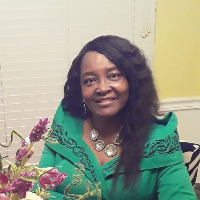
Florida · 20 yrs exp
LMHC in Florida - Stress and relationships
Stress, Anxiety · Addictions · Relationship · Self esteem · +1 more
Read profile
Michigan · 16 yrs exp
Licensed Professional Counselor - Relationships and Addictions
Stress, Anxiety · Addictions · Relationship · Parenting · +8 more
Read profile
Michigan · 10 yrs exp
Licensed counselor - Life purpose and relationships
Stress, Anxiety · Family · Trauma and abuse · Grief · +12 more
Read profile
New York · 15 yrs exp
LCSW - Life purpose and relationship work
Stress, Anxiety · Addictions · Relationship · Self esteem · +10 more
Read profile
Texas · 5 yrs exp
Licensed clinical social worker - Life purpose and coping issues
Stress, Anxiety · Relationship · Family · Trauma and abuse · +9 more
Read profile
Texas · 3 yrs exp
Licensed Professional Counselor - Life purpose and anxiety
Stress, Anxiety · Addictions · Relationship · Family · +5 more
Read profile
Wyoming · 14 yrs exp
LCSW - Life purpose and change work
Addictions · Relationship · Depression · Coping with life changes · +11 more
Read profile
North Carolina · 30 yrs exp
LCMHC in North Carolina - Life purpose and transitions
Stress, Anxiety · Addictions · LGBT · Trauma and abuse · +1 more
Read profile
Texas · 26 yrs exp
Licensed Professional Counselor - Life purpose and transitions
Stress, Anxiety · Relationship · Trauma and abuse · Grief · +11 more
Read profile
Illinois · 10 yrs exp
LCSW - Stress and Life Purpose
Stress, Anxiety · Trauma and abuse · Grief · Self esteem · +11 more
Read profile
Alabama · 17 yrs exp
Alabama LPC - Stress and Life Purpose
Stress, Anxiety · Addictions · Grief · Anger · +1 more
Read profile
Texas · 19 yrs exp
Licensed Professional Counselor - Life purpose and relationships
Stress, Anxiety · Relationship · Family · Trauma and abuse · +12 more
Read profile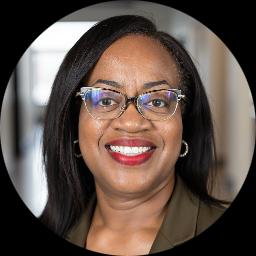
Michigan · 26 yrs exp
LMSW in Michigan - Life purpose and relationships
Stress, Anxiety · Addictions · Relationship · Grief · +14 more
Read profile
Missouri · 22 yrs exp
Licensed Professional Counselor - Stress and Mood Concerns
Stress, Anxiety · Addictions · Self esteem · Bipolar · +1 more
Read profileWhen addictive behaviours or substance use become a recurring concern, you may also notice questions about what matters next in life. Many people reach out because work, relationships or health changes have left them unsure of priorities, motivation or what a reasonable next step looks like. That feeling of being stuck can include low mood, loss of interest in activities that used to feel meaningful, or a sense of pressure to have everything figured out. If those low mood experiences ever include thoughts of harming yourself, contact local emergency services immediately. In the United States call 988 for the Suicide & Crisis Lifeline, in the United Kingdom call local emergency services or Samaritans at 116 123, and in Australia contact Lifeline at 13 11 14. Local emergency numbers are appropriate whenever there is imminent danger.
When you consider professional help, you may want someone who will pay attention to both patterns of use and the broader questions about values and direction. Some people seek support focused primarily on change in behaviour, while others want to explore how previous decisions, identity or meaning are connected to their substance use or habits. The way you frame your goals - whether reducing harm, addressing consequences, or exploring purpose - will shape the kinds of conversations you have with a therapist and the questions you will ask when comparing profiles.
It is common for people to see Addictions and questions of purpose show up together, but listing them on a profile does not establish a causal relationship. Some people find addictive patterns develop in response to stress, loneliness, or an attempt to manage difficult feelings, while others experience these patterns alongside a broader search for meaning after a major life transition. Therapists who list both Addictions and life purpose among their focuses may position their work to address behaviour and values at the same time. That said, a listed focus area on a profile is self-reported and is not evidence of specialist certification, a particular therapy method, diagnostic services, treatment outcomes, or suitability for you.
Because the directory includes professionals from the United States, the United Kingdom and Australia, you will find different ways that clinicians describe their work. In some cases the emphasis will be practical and skills-based, and in others it will be reflective and exploratory. Deciding whether you want more behavioural tools, values clarification or a combination approach is a personal choice. You can use the profiles to identify clinicians who mention the themes that matter to you and then use direct contact to confirm how they would approach your specific goals.
When you look at profiles, prepare specific questions that will help you compare approaches. You might ask how a clinician describes their typical work with someone who has your pattern of use, whether they have experience working with similar life-stage concerns, and which approaches they draw on in practice. For example, you can ask whether they are comfortable discussing both behaviour change strategies and questions about values, or whether they tend to focus more on one of these areas.
It is helpful to distinguish academic credentials from permission to practise. Ask whether the clinician holds a license to practise in a US state, or whether they are registered or members of professional bodies in the UK or Australia. Also ask about degrees such as PhD, PsyD, MD, MA or MSW and how those relate to their current practice. You might enquire whether therapists list CBT among their approaches, or whether therapists list motivational interviewing, psychodynamic approaches, mindfulness-based work, narrative approaches, or EMDR among their approaches. Use these descriptions as conversational starting points rather than proof of a specific training or outcome.
If you are considering online sessions, there are practical and clinical topics to cover before you begin. Discuss how the clinician manages urgent needs and crisis planning in your listed location, and ask what steps they recommend if you become unable to wait for a scheduled session. Clarify how they handle boundaries around communication between sessions and what kinds of written summaries or plans you can expect. Talk about the technical setup - what platform will be used, whether sessions will be by video or phone, and what to do if a connection fails during a meeting.
Because regulatory frameworks differ, make sure you know where the clinician is authorised to practise and how that relates to your current listed location. Ask whether they can provide care to someone living where you are based. If you are in the United States, check the state license; in the United Kingdom check registration or membership with relevant professional bodies; in Australia ask about registration or professional association membership. These questions help you understand the legal and practical context for care, and they do not imply anything about how helpful the clinician might be, only about where they can lawfully provide services.
When comparing profiles, read descriptions for concrete signals about focus and style. Focus areas tell you what clinicians say they work on, and many profiles will list life purpose, direction and meaning alongside Addictions. Look for language that describes who they typically work with and what kinds of goals clients bring. If you value working in a particular language, check the languages listed on the profile and consider asking whether clinical materials or homework are available in that language. If culture or identity is important to your process, note how clinicians describe their experience with cultural issues rather than assuming equivalence across practitioners.
Credentials and professional statements on profiles can be useful, but interpret them carefully. Academic degrees such as PhD, PsyD, MD, MA and MSW show educational background, while licensure in a US state, registration in the UK or membership in Australian professional associations indicate current permission or standing to practise. Profiles may also mention approaches and populations; therapists who list certain approaches among their approaches are indicating methods they use, not certification. Think about style - whether a clinician emphasises structured goals, reflective exploration, or a combination - and picture how that would fit with your priorities.
Finally, use the profile summaries to decide which clinicians you want to learn more about. Profiles are starting points for conversation. Prepare a brief message that states your primary concerns, the role that questions of purpose or meaning play for you, and any practical constraints such as time zone or language. That conversation will help you decide whether the clinician’s stated approach, credentials and style fit the kind of support you are seeking.
Alabama
115 therapists
Alaska
12 therapists
Arizona
80 therapists
Arkansas
64 therapists
Australia
278 therapists
California
807 therapists
Colorado
157 therapists
Connecticut
79 therapists
Delaware
16 therapists
District of Columbia
21 therapists
Florida
710 therapists
Georgia
171 therapists
Hawaii
27 therapists
Idaho
44 therapists
Illinois
268 therapists
Indiana
105 therapists
Iowa
34 therapists
Kansas
48 therapists
Kentucky
105 therapists
Louisiana
126 therapists
Maine
26 therapists
Maryland
127 therapists
Massachusetts
85 therapists
Michigan
251 therapists
Minnesota
80 therapists
Mississippi
76 therapists
Missouri
142 therapists
Montana
38 therapists
Nebraska
36 therapists
Nevada
54 therapists
New Hampshire
15 therapists
New Jersey
157 therapists
New Mexico
27 therapists
New York
410 therapists
North Carolina
251 therapists
North Dakota
6 therapists
Ohio
181 therapists
Oklahoma
131 therapists
Oregon
54 therapists
Pennsylvania
244 therapists
Rhode Island
14 therapists
South Carolina
112 therapists
South Dakota
15 therapists
Tennessee
106 therapists
Texas
811 therapists
United Kingdom
1164 therapists
Utah
60 therapists
Vermont
16 therapists
Virginia
132 therapists
Washington
106 therapists
West Virginia
20 therapists
Wisconsin
92 therapists
Wyoming
23 therapists