- Stress and anxiety
- Addictions support
- CBT and DBT skills
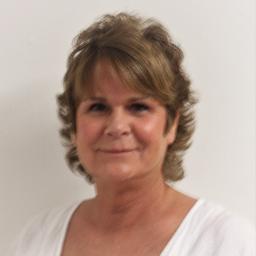
About Suzanne
Suzanne Baer is an IL LCPC - Licensed Clinical Professional Counselor in Illinois with 22 years of experience. She works with adults facing stress, anxiety, addictions, trauma and abuse, grief, and depression. People often reach out when major life changes leave them unsure what comes next.
She draws on long experience across settings such as inpatient substance use treatment, sexual abuse counseling, and community mental health. In sessions she listens closely and uses practical strategies to reduce distress. Conversations are interactive and focused on concrete steps the client can try between meetings.
Suzanne uses client-centered methods that prioritize the person’s perspective. She also uses Cognitive Behavioral Therapy to identify and change unhelpful thinking and behavior patterns. Dialectical Behavior Therapy skills appear in her work to help with strong emotions and coping techniques.
Mindfulness approaches are used to increase present-moment awareness and ease stress. Motivational Interviewing helps people clarify what they want and strengthen their own reasons for making changes. These methods are mixed depending on the problem and the person’s goals.
Suzanne has helped people with issues such as attachment and abandonment concerns, codependency, body image and caregiver stress. She also has experience with chronic illness, pain, disruptive mood patterns, and relationship transitions like divorce and separation. Her practice aims to make therapy practical and relevant to everyday life.
How Suzanne uses evidence-based approaches online
Client-Centered Therapy places the person’s perspective at the center of sessions. The therapist listens, reflects what she hears, and helps clients shape goals that matter to them. This method helps when someone is unsure what they want next or needs a clearer sense of priorities.Cognitive Behavioral Therapy (CBT) breaks problems into thoughts, feelings, and behaviors. Suzanne uses CBT to help people notice patterns, test unhelpful beliefs, and try small behavioral experiments. This approach often helps with anxiety, low mood, and stress tied to daily routines.
Dialectical Behavior Therapy (DBT) skills teach practical tools for managing strong emotions and improving communication. Suzanne can introduce grounding, distress-tolerance, and interpersonal techniques that reduce reactivity and improve everyday functioning.
Choosing the right combination of approaches is part of the work. Suzanne discusses goals, preferences, and what has or hasn’t helped in the past. Together they decide which methods to emphasize and adjust them as progress is made.
The biography does not list specific online formats, so confirm current session options before booking. Online sessions can make it easier to fit therapy into a busy week, allow shorter check-ins when needed, and remove travel time. Licensed professionals can use these formats to focus on practical skills and step-by-step change while keeping therapy workable within everyday life.
Areas of expertise
Additional focus areas
Therapeutic approaches
Experience
22+ years
Listed in
Illinois
Languages
English
Frequently asked questions
What kinds of concerns does she work with?
Suzanne works with stress, anxiety, addictions, trauma and abuse, grief, and depression. She also focuses on related issues such as attachment, codependency, body image, caregiver stress, and divorce or separation.
How would she approach feeling stuck after a life change?
She uses a client-centered style combined with evidence-based tools like CBT and DBT skills. Conversations focus on practical next steps and building coping strategies.
How much clinical experience is there?
She has 22 years of experience working as a therapist, mentor, and life coach in settings that include inpatient substance use treatment and community mental health.
What credential does she hold and where is she based?
She is an IL LCPC, which stands for Licensed Clinical Professional Counselor in Illinois, and practices in Illinois.
Are sessions offered in other languages or internationally?
Sessions are offered in English. International clients are not currently accepted.
What session formats are available?
The biography does not list specific session formats. Please confirm current session options before booking.
How are fees and payment handled?
Cost varies with location and sessions use a subscription model that can be canceled at any time. Exact pricing depends on the chosen plan and region.
How do I begin working together?
Start by selecting the See online therapy options button, completing a short matching questionnaire, and scheduling a first session.
Online talk therapy is not emergency care. If you are in danger, use the crisis numbers.