- psychodynamic therapy
- Cognitive Behavioral Therapy
- relationship concerns
About Patricia
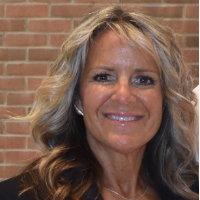
Patricia Foyder-DeVoe is a Licensed Clinical Social Worker (LCSW) in New York with 25 years of experience. She works with adults facing stress, anxiety, depression, relationship strain, and life changes. She also supports people dealing with grief, trauma and abuse, addictions, and issues around self-esteem and intimacy.
Patricia trained at Fordham University for both her bachelor’s and Master of Social Work degrees. Early in her career she worked in community mental health and moved into private practice, where she has seen a wide range of concerns. Her background includes work with eating and food-related issues, caregiver stress, chronic illness and pain, and neurodiversity concerns such as autism and Asperger syndrome.
Her approach draws on psychodynamic ideas while using other methods as needed. That means she pays attention to patterns from the past and how they show up now. She also uses techniques from cognitive behavioral therapy and solution-focused work to address symptoms and practical problems.
Sessions are conversational and goal-oriented. She helps people name what matters to them and practice new ways of coping. Patricia often combines longer reflections about patterns with short skills-based tools for managing anxiety, mood, or relationship conflict.
She speaks English and Spanish. The work is aimed at adults considering changes in career, relationships, health, or parenting, and at people thinking about life purpose after a major change. To start, prospective clients complete a short questionnaire and schedule a first session.
How her approaches translate to online work
Patricia often combines Client-Centered Therapy and Cognitive Behavioral Therapy in her work. Client-Centered Therapy focuses on listening and helping people state what they want to change. It helps with building confidence, clarifying values, and making decisions after life changes. Cognitive Behavioral Therapy (CBT) identifies unhelpful thoughts and behaviors and uses practical exercises to reduce anxiety, manage mood, and improve coping skills.Choosing the right approach is collaborative. She will talk with the client about their goals and preferences and suggest a mix of methods. Together they decide what to try and adjust the plan as the work unfolds.
The practical benefits of online therapy include easier fitting of sessions into busy schedules and fewer travel demands. Online work can make it simpler to attend brief check-ins or weekday appointments around work or caregiving. Because session formats were not specified in the original biography, confirm the current session options before booking so you know what to expect.
Areas of expertise
Primary focus
Also works with
Additional focus areas
Therapeutic approaches
Experience
25+ years
Listed in
New York
Languages
English, Spanish
Frequently asked questions
What concerns does she work with?
She works with adults on stress, anxiety, depression, relationship issues, grief, trauma, addictions, self-esteem, and life changes.
How does she approach feeling stuck?
Her style is conversational and reflective, using psychodynamic ideas plus CBT and solution-focused techniques to clarify patterns and try practical tools.
How much clinical experience does she have?
She has 25 years of experience working in community mental health and private practice with a wide range of concerns.
What are her credentials and where is she based?
She is a Licensed Clinical Social Worker (LCSW) licensed in New York and practices from that state.
Does she offer sessions in other languages?
Sessions are offered in English and Spanish.
Can people outside the United States work with her?
She does not accept international clients at this time.
How are sessions priced?
Costs vary with location and sessions use a subscription that can be canceled at any time.
What do I do to begin?
Select the See online therapy options button, complete the short matching questionnaire, and schedule a first session.
Online talk therapy is not emergency care. If you are in danger, use the crisis numbers.