- Life transitions
- Anxiety and depression
- Addictions support
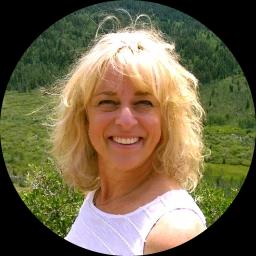
About Lynne
Lynne Klaus is a licensed clinical social worker with 25 years of practice. She works with adults facing stress, anxiety, addictions, trauma and abuse, depression, and coping with life changes. Lynne also addresses concerns such as abandonment, attachment issues, grief, and problems with substance use.
She uses straightforward conversation to help people name what is happening and what they want to change. Sessions focus on where symptoms show up in daily life and on practical steps that reduce overwhelm. She draws on approaches like Acceptance and Commitment Therapy, cognitive behavioral techniques, emotionally-focused ideas, and attachment-based perspectives.
Lynne describes therapy as a collaborative effort. She listens for patterns that keep people stuck and then introduces tools to interrupt those patterns. That might mean testing a new behavior for a week or trying a different way to talk about a painful memory.
Her work often helps people who feel numb, disconnected, or drained after major life shifts. She offers support when emotions like anxiety, sadness, anger, or grief are making it hard to function. She also helps people who are questioning their relationship with alcohol or drugs and those coping with caregiving or medical stresses.
Her approach emphasizes clear goals and small, achievable changes. People can expect direct reflection, practical exercises, and follow-up on what did or did not work. Lynne accepts clients from outside the United States and conducts sessions in English.
Approach-driven online sessions for everyday life
Acceptance and Commitment Therapy (ACT) helps people notice difficult thoughts and feelings without getting dominated by them, then commit to actions that match their values. ACT can be useful for anxiety, low mood, and confusion about what matters next. Cognitive Behavioral Therapy (CBT) focuses on identifying unhelpful thinking and testing different responses in daily situations to reduce symptoms and improve coping. CBT is often used for anxiety, depression, and stress management. Attachment-Based Therapy looks at how early relationships shape current expectations and patterns, and it can help when people feel disconnected, abandoned, or repeat unhelpful relationship cycles.Finding the right approach is part of the work. Lynne will collaborate with each person to identify which methods fit their goals and preferences. Together they review what has helped in the past, what hasn’t, and try an approach for a few sessions to see how it feels.
The practical aim of online sessions is to fit therapy into busy lives. Confirm the specific session formats available before booking, since formats are not listed in the biography. Online meetings can make it easier to schedule shorter check-ins, avoid travel time, or stay connected when life circumstances change. Licensed professionals can use these sessions to teach exercises, set behavioral experiments, and review progress between meetings without promising any particular outcome.
Areas of expertise
Additional focus areas
Therapeutic approaches
Experience
25+ years
Listed in
South Carolina, Colorado, Utah
Languages
English
Frequently asked questions
What kinds of problems does she work with?
She works with stress, anxiety, addictions, trauma and abuse, depression, and coping with life changes, plus related concerns such as attachment and abandonment.
How would she describe her therapeutic style?
She uses collaborative, practical conversations drawing on ACT, CBT, attachment-based ideas, EFT, and client-centered techniques to test small changes in daily life.
How much experience does she have?
She has 25 years of experience working in mental health settings with people facing a wide range of life challenges.
What are her credentials and where is she based?
She is a licensed clinical social worker with the credentials LCSW, CSW, and LISW and is based in South Carolina.
Can I work with her if I live outside the US?
Sessions are offered to international clients and are conducted in English.
What session formats does she offer?
Please confirm current session format options before booking, as the biography does not list specific formats.
How much do sessions cost?
Cost varies with location; sessions use a subscription that can be canceled at any time.
How do I begin working with her?
Select the See online therapy options button, complete a short matching questionnaire, and schedule a first session.
Online talk therapy is not emergency care. If you are in danger, use the crisis numbers.