- Client-centered work
- Cognitive behavioral tools
- Mindfulness practice
About Zachary
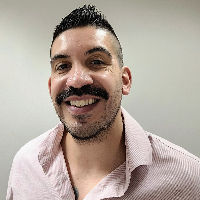
Zachary Martin is a Licensed Clinical Social Worker (LCSW) in California with five years of clinical experience. He focuses on life purpose concerns alongside stress, anxiety, depression, trauma, relationship and addiction issues. Zachary aims to help people who feel stuck after a change in work, relationships, or health.
He uses straightforward, conversation-based approaches in sessions. He draws on client-centered work to listen and reflect, and on cognitive behavioral ideas to identify unhelpful thoughts and try practical changes. Mindfulness practices are used to build present-moment awareness, and motivational interviewing helps when someone feels unsure about making changes.
Zachary's background includes work in adult residential settings for people with developmental disabilities and roles across foster and adoption services, child welfare investigations, and inpatient hospitalization. That variety informs how he looks at factors behind emotional struggle. He has a bachelor’s degree in philosophy with a psychology minor and a master’s degree in social work completed in 2013.
In outpatient therapy he focuses on clear, usable steps rather than abstract talk. He discusses goals, tests small interventions, and checks whether those steps help reduce stress or improve decisions. Sessions are conversational and practical, with attention to thinking patterns and values when people wrestle with direction or meaning.
People considering him can expect a practical emphasis on what changes might matter next. He supports exploration of career questions, relationship concerns, grief, addiction, attention differences, and caregiver stress while helping people map options and next steps.
How Zachary’s approaches translate to online work
Client-centered therapy focuses on listening and reflecting to help people clarify what matters to them; it’s useful for exploring life purpose and relationship questions. Cognitive behavioral therapy (CBT) looks at thought patterns and behavior, offering simple exercises and experiments to test changes that can ease anxiety or depression. Existential therapy helps people consider values, meaning, and choices when major life changes leave them unsure what comes next. Finding the right mix of methods is part of the work. Zachary will collaborate with clients to pick approaches that match their goals and preferences, testing small steps and adjusting if something isn’t helping. The emphasis is on practical, shared decision making rather than fixed prescriptions. The biography does not list specific online session formats, so confirm current options before booking. Many people find online sessions help fit therapy into a busy life because they reduce travel, make it simpler to schedule brief check-ins, or allow sessions during a work break. If you prefer certain practical arrangements such as phone or video, check which formats are offered when you sign up and note any preferences on the matching questionnaire.Areas of expertise
Also works with
Additional focus areas
Therapeutic approaches
Experience
5+ years
Listed in
California
Languages
English
Frequently asked questions
What kinds of concerns does he address?
He works with stress, anxiety, depression, trauma and abuse, self-esteem, grief, relationship and intimacy issues, addictions, career questions, ADHD, bipolar concerns, and coping with life changes.
How would he approach someone feeling stuck?
He uses client-centered conversation and cognitive behavioral techniques to identify thoughts and actions to try. Mindfulness and motivational interviewing are added when useful.
What is his professional background?
He has five years of clinical experience, a bachelor’s degree in philosophy with a psychology minor, and an MSW completed in 2013, plus past roles in residential care and foster/adoption services.
What credential does he hold and where does he practice?
He is an LCSW licensed in California and practices in that state.
Does he offer sessions in other languages or to international clients?
Sessions are offered in English. He is not currently accepting international clients.
What session formats are used?
The original biography does not list specific session formats; please confirm current session options before booking.
How does payment and cost work?
Cost varies with location. Sessions use a subscription model that can be canceled at any time.
How do I begin scheduling a session?
Select the See online therapy options button, complete a short matching questionnaire, and schedule a first session.
Online talk therapy is not emergency care. If you are in danger, use the crisis numbers.