- Stress and anxiety
- Addictions support
- Life purpose focus
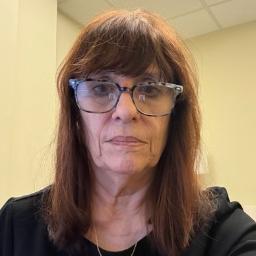
About Loretta
Loretta Samenga is a Licensed Clinical Social Worker (LCSW) practicing in New York with six years of experience. She focuses on stress, anxiety, addictions, self-esteem difficulties, bipolar disorder, and depression, and also works with related concerns such as abandonment, adoption and foster care issues, caregiver stress, chronic illness, and communication problems.
Her style is direct and person-centered. She uses clear conversation to identify what feels stuck and what matters next. Sessions often include practical tools to manage intense emotions and to reduce unhelpful patterns that come from stress or substance use.
Loretta draws on Cognitive Behavioral Therapy to notice thought and behavior patterns that keep problems going. She also uses Dialectical Behavior Therapy skills for emotional regulation and Mindfulness practices to help people stay grounded in the moment. Emotionally-Focused Therapy and Client-Centered methods shape how she listens and responds.
In sessions she helps people sort through relationship and life-change questions. That can mean looking at how attachment or past losses affect current choices. It can also mean building communication skills or coping strategies for chronic pain, aging concerns, or addiction challenges.
Her work is practical and collaborative. She helps people set small, realistic steps and checks in on what works. People in New York meet her in a format they confirm when booking, and sessions are conducted in English.
How her approaches translate to online work
Client-Centered Therapy focuses on listening and reflecting to help people name what matters. It supports people who are sorting life direction questions and relationship concerns. Cognitive Behavioral Therapy (CBT) looks at specific thoughts and behaviors that keep stress and low mood in place, and provides clear exercises to try between sessions. Dialectical Behavior Therapy (DBT) emphasizes skills for managing intense emotions and improving communication, useful for anxiety, mood swings, and addictive behaviors.Finding the right approach is part of the early work. Loretta will collaborate with each person to decide which methods fit their needs, goals, and style. That means trying tools together, checking what helps, and adjusting plans based on what actually changes day to day.
Session formats are not specified in the biography, so confirm current options before booking. Online sessions can make it easier to fit therapy into a busy schedule, allow shorter check-in meetings when needed, and reduce travel time. They also let people practice skills in context between sessions and bring real-life situations into conversation for problem solving.
Areas of expertise
Primary focus
Additional focus areas
Therapeutic approaches
Experience
6+ years
Listed in
New York
Languages
English
Frequently asked questions
What kinds of concerns does she work with?
She supports people facing stress, anxiety, addictions, low self-esteem, bipolar disorder, and depression, along with related issues like attachment, caregiver stress, and communication problems.
How would she approach feeling stuck or directionless?
She uses practical conversation and collaborative planning to identify patterns that keep someone stuck, then introduces tools from CBT, DBT, and mindfulness to test new ways of coping.
How much clinical experience does she have?
Loretta has six years of clinical experience working with a range of mood, stress, and addiction concerns.
What credential does she hold and where is she located?
She is a Licensed Clinical Social Worker (LCSW) licensed in New York and practices there.
Does she offer sessions in languages other than English?
Sessions are offered in English.
Can people outside the United States work with her?
She does not accept international clients at this time.
How are fees handled?
Cost varies with location and sessions use a subscription that can be canceled at any time.
How do I begin a first session?
Start by selecting the See online therapy options button, complete a short matching questionnaire, and schedule a first session.
Online talk therapy is not emergency care. If you are in danger, use the crisis numbers.