- CBT methods
- DBT skills
- Mindfulness practice
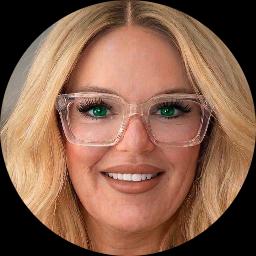
About Leah
Leah Syberg is a Florida LMHC (Licensed Mental Health Counselor) with seven years of clinical experience. She works with adults on stress, anxiety, relationships, trauma and abuse, anger, and depression. Leah also addresses concerns like attachment and abandonment, body image, caregiver stress, substance issues, and communication or commitment problems.
Leah draws on person-centered work alongside structured methods such as cognitive behavioral therapy and dialectical behavior therapy. Sessions are focused on practical skills for mood regulation, managing intense feelings, and changing patterns that get in the way of daily life. She integrates relationship-focused techniques when couples or relationship dynamics are central to the concern.
Her background includes supervisory roles and work as a lead therapist, which informs a practice oriented toward clear strategies and measurable changes. Leah also speaks and writes about mental health topics, including how beliefs and values interact with well-being. These experiences shape a straightforward approach that balances practical tools with attention to personal values.
In sessions Leah helps people identify patterns, try new behaviors, and practice specific skills between meetings. She routinely uses mindfulness exercises and goal-focused strategies to reduce symptoms and improve communication. Her work is oriented toward helping adults find direction after a major life change or when feeling stuck.
To begin, people complete a short matching questionnaire and schedule a first session. The subscription model used for sessions can be canceled at any time, and cost varies with location.
How her approaches translate to online work
Leah commonly uses client-centered therapy and cognitive behavioral therapy in her clinical work. Client-centered therapy focuses on listening and reflecting so people can clarify what matters to them and make their own decisions. Cognitive behavioral therapy looks at thought and behavior patterns and teaches concrete tools to reduce anxiety, manage mood, and change unhelpful habits.She also draws on dialectical behavior therapy skills for emotion regulation and interpersonal effectiveness. DBT skills help when strong emotions, impulsive actions, or relationship conflict are getting in the way of daily functioning. Each method gives clear exercises and practices that can be used between sessions to support steady progress.
Deciding which approach fits is part of the work. Leah will collaborate with each person to identify goals, test methods, and adjust techniques based on what helps most. The process is shared so clients understand why a technique is chosen and how to use it in real life.
The original biography does not list specific online formats, so confirm available session types before booking. Online options can make it easier to fit sessions into a busy schedule, shorten travel time, and allow check-ins during a break or after work. These practical benefits help people keep therapy consistent while they work through stress, relationship issues, or life transitions.
Areas of expertise
Primary focus
Additional focus areas
Therapeutic approaches
Experience
7+ years
Listed in
Florida
Languages
English
Frequently asked questions
What kinds of problems does she help with?
She works with stress, anxiety, relationship difficulties, trauma and abuse, anger, and depression. The profile also notes work with attachment, abandonment, body image, addiction, and related concerns.
How does she approach someone feeling stuck?
Her style mixes client-centered listening with structured methods like CBT and DBT to teach skills and change unhelpful patterns. Sessions emphasize practical tools and skill practice between meetings.
What is her professional background?
She has seven years of clinical experience and has served as a lead therapist and clinical supervisor. She also speaks and writes about mental health topics.
Is she licensed and where does she practice?
She is a Florida LMHC (Licensed Mental Health Counselor) and is located in Florida.
Can I work with her if I live outside the U.S.?
Sessions accept international clients. Sessions are offered in English.
What session formats are offered?
The original biography does not list specific session formats. Please confirm current session options before booking.
How are sessions priced?
Cost varies with location and sessions use a subscription that can be canceled at any time.
How do I begin working with her?
Start by selecting the See online therapy options button, completing a short matching questionnaire, and scheduling a first session.
Online talk therapy is not emergency care. If you are in danger, use the crisis numbers.