- ACT methods
- CBT techniques
- Attachment focus
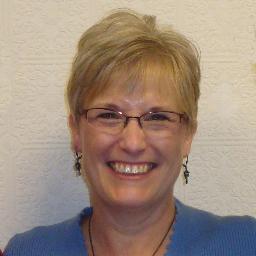
About Karen
Karen Bludorn is a Licensed Clinical Social Worker (LCSW) practicing in Arizona with 14 years of experience. She provides individual counseling for adults facing stress, anxiety, mood concerns, substance use, trauma, relationship issues, and questions about life purpose. Sessions focus on practical tools and steady conversation to help people manage strong feelings and recurring patterns.
In sessions she combines several approaches to match what each person needs. She draws on cognitive behavioral techniques to spot and change unhelpful thoughts. She uses dialectical behavior ideas to teach emotion regulation and distress tolerance skills.
Attachment-based ideas guide work on relationships and how early experiences shape current reactions. Client-centered methods keep the conversation oriented around the person's own goals and values. Acceptance and Commitment Therapy (ACT) techniques are used when people want to clarify values and act on them despite discomfort.
Karen has worked across varied counseling settings and with people dealing with negative self-talk, identity questions, mood instability, and substance use. She also addresses grief, parenting stress, intimacy concerns, and long-term health or aging issues. Her practice includes trauma-informed elements when past harm affects daily life.
Practical work in sessions often includes learning specific strategies, trying small behavior changes between meetings, and checking what is or isn't working. People who want to explore life purpose or cope with major changes can expect a focused, collaborative process that aims to connect values with day-to-day choices.
How her approaches translate to online work
Acceptance and Commitment Therapy (ACT) focuses on clarifying what matters to a person and building small, meaningful actions around those values. It can help with feeling stuck after changes in work, relationships, or health by pairing values with doable steps. Cognitive Behavioral Therapy (CBT) identifies unhelpful thinking patterns and practices new behaviors to reduce anxiety and low mood. It often includes short exercises and experiments between sessions to test what changes help.Finding the right approach is part of the work. Karen will collaborate with each person to decide which methods fit their goals, needs, and comfort level. That may mean combining ACT and CBT tools, or adding attachment-based ideas for relationship concerns. The plan can be adjusted as sessions progress.
Confirm the specific session formats before booking, as the profile does not list formats explicitly. Online sessions can make it easier to fit meetings into a busy week, shorten check-ins, or avoid travel. They also support doing skills practice in the setting where challenges happen. Discuss format preferences during the matching and scheduling step so sessions match everyday life and goals.
Areas of expertise
Primary focus
Also works with
Additional focus areas
Therapeutic approaches
Experience
14+ years
Listed in
Arizona, Utah
Languages
English
Frequently asked questions
What kinds of concerns does she help with?
She works with stress, anxiety, depression, substance use, trauma, relationship and intimacy concerns, grief, parenting strain, and questions about life purpose.
How does she approach someone feeling stuck?
Her style is integrative and client-centered. She mixes CBT, DBT, ACT, and attachment ideas to teach practical skills and clarify values.
How much clinical experience does she have?
She has 14 years of experience in a range of counseling settings working with mood instability, trauma, substance use, and related issues.
What are her credentials and where does she practice?
She is a Licensed Clinical Social Worker, LCSW, licensed in Arizona and practices in Arizona.
Does she offer sessions in other languages?
Sessions are offered in English.
Can people outside the United States work with her?
She does not accept international clients at this time.
How are sessions paid for and what does it cost?
Cost varies with location and sessions use a subscription that can be canceled at any time.
What do I do to begin a first session?
Select the See online therapy options button, complete a short matching questionnaire, and schedule your first session.
Online talk therapy is not emergency care. If you are in danger, use the crisis numbers.