- Client-centered approach
- CBT strategies
- Gottman Method work
About Elisa
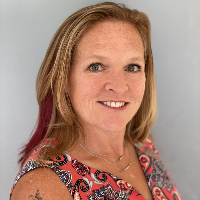
Elisa Doebler-Irvine is a Licensed Professional Counselor (LPC) in Oregon with 28 years of clinical experience. She works with adults on stress, anxiety, relationship and family concerns, parenting, coping with life changes, addiction, trauma and grief, among other issues.
Her background includes a master's degree in Counseling Psychology from Lewis & Clark College and a PhD in Marriage and Family Therapy from Kansas State University. She also completed a two-year post-graduate program in Clinical Human Sexuality at the Menninger Clinic. Over nearly three decades she has worked in outpatient mental health, residential treatment, private practice, forensic assessment and university teaching.
Elisa uses a collaborative, respectful style in sessions. She draws on client-centered principles while integrating psychodynamic ideas and cognitive-behavioral strategies. In practice that means she pays attention to how patterns formed long ago show up now, and she pairs that with concrete steps people can take to change unhelpful habits.
She often helps clients untangle situations where a once-helpful solution has become a problem. That might look like examining family and cultural influences, talking through relationship patterns, or trying small behavioral experiments to see what shifts. She also uses ideas from Positive Psychology to build everyday practices that support resilience.
People come to her when they feel stuck after a life change, when relationship problems keep repeating, or when mood and anxiety make daily life harder. Sessions focus on figuring out what matters next and on practical moves someone can try between meetings.
If someone wants to explore life direction or work on relationship and family patterns, Elisa offers a measured, experience-based approach that combines reflection with action.
How her approaches translate to online work
Elisa often blends client-centered listening with cognitive-behavioral techniques and psychodynamic thinking. Client-Centered Therapy focuses on clear, respectful listening and supporting a person's own goals, which helps when someone is sorting out values and next steps. Cognitive Behavioral Therapy (CBT) uses practical experiments and skill practice to change unhelpful thoughts and behaviors, which can help with anxiety, mood, and everyday coping. Psychodynamic ideas look at how past relationship patterns affect current life and can help untangle repeated problems. Finding the best approach is a collaborative process. She will work with each person to identify goals, try approaches that fit those goals, and adjust based on what helps. That means the methods used in early sessions may shift as needs and preferences become clearer. Confirm the exact session options before booking since session formats are not specified here. Many people find online sessions easier to fit into a workday, allow for shorter check-ins when time is limited, or make it simpler to include a partner at an agreed time. Online work can support consistent practice of CBT exercises and allow ongoing reflection on relationship patterns without requiring travel. Ask about the specific formats offered when you schedule so sessions can be arranged to match your routine.Areas of expertise
Primary focus
Also works with
Additional focus areas
Therapeutic approaches
Experience
28+ years
Listed in
Oregon
Languages
English
Frequently asked questions
What kinds of concerns does she address?
She works with stress, anxiety, depression, relationship and family issues, parenting, addiction, trauma and grief, plus related concerns like body image and communication problems.
How would she approach feeling stuck or directionless?
Her style is collaborative and respectful, combining client-centered listening with psychodynamic reflection and cognitive-behavioral techniques to identify patterns and test small changes.
How much clinical experience does she have?
She has 28 years of experience working in outpatient settings, residential treatment, private practice, forensic assessment and university teaching.
What credential does she hold and where is she based?
She is a Licensed Professional Counselor (LPC) licensed in Oregon.
Which languages are offered for sessions?
Sessions are offered in English.
Can people outside the US work with her?
She does not accept international clients at this time.
How are fees handled?
Cost varies with location; sessions use a subscription that can be canceled at any time.
What are the first steps to begin working together?
Use the See online therapy options button, complete a short matching questionnaire, and schedule a first session.
Online talk therapy is not emergency care. If you are in danger, use the crisis numbers.