- Stress and anxiety
- Addictions and recovery
- Grief and loss
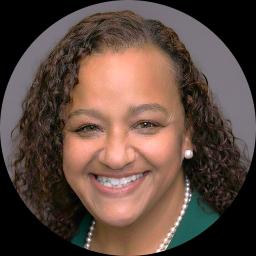
About Yvonne
Yvonne Torres is an LCSW-R (Licensed Clinical Social Worker - Registered) practicing in New York with 33 years of experience. She works with people facing stress, anxiety, addictions, trauma and abuse, grief, and depression. She communicates in English and Spanish and accepts international clients.
Her practice focuses on practical, down-to-earth help when routine life feels overwhelming. She talks through what is happening now and what matters most to the person seeking help. Sessions are organized around specific concerns such as substance use, loss, or persistent low mood. She also addresses related issues like caregiver strain, communication problems, and control issues.
Torres draws on evidence-based therapeutic techniques to guide conversations and shape treatment plans. She works collaboratively to increase motivation, address grief, and reduce depressive symptoms. Her approach involves concrete steps and real-world goals rather than abstract promises.
People who come to her often need help after a life change - divorce, a death, immigration challenges, or shifts in health. She also supports those coping with first responder stress, hospice and end-of-life concerns, and aging-related questions. Practical problem solving and steady follow-through are frequent parts of her work.
To begin, clients use a subscription model that can be canceled at any time. Prospective clients are asked to complete a brief matching questionnaire and schedule a first session. This initial step is used to clarify goals and outline next steps.
Therapeutic techniques used and how they translate to online work
Two common evidence-based techniques she uses include cognitive behavioral methods and structured grief-focused work. Cognitive behavioral methods look at thoughts and behaviors that keep stress or depression going, and introduce practical exercises to change those patterns. Grief-focused work helps people process loss through paced conversations and tasks that acknowledge emotions while rebuilding daily routines.Finding the right approach is part of the process. The therapist will work with the client to identify which techniques fit best for their goals, needs, and preferences. This is a collaborative decision that can be adjusted as sessions progress.
Confirm the current session options before booking, since the biography does not list specific online formats. Online sessions can make it easier to fit therapy into a busy life by removing travel time, allowing shorter check-ins when needed, and enabling appointments across time zones for international clients. They also let conversations continue after major life changes, which is often when people seek help for direction and purpose.
Areas of expertise
Additional focus areas
Experience
33+ years
Listed in
New York
Languages
English, Spanish
Frequently asked questions
What kinds of problems does she focus on?
She works with stress, anxiety, addictions, trauma and abuse, grief, and depression, along with related issues such as caregiver stress and communication problems.
How does she approach someone who feels stuck?
She uses evidence-based therapeutic techniques and practical steps to identify immediate concerns and set clear goals for change.
How many years has she been practicing?
She has 33 years of professional experience as a clinician in social work.
What credential does she hold and where is she located?
She is an LCSW-R (Licensed Clinical Social Worker - Registered) practicing in New York.
Which languages are supported for sessions?
Sessions are offered in English and Spanish.
Can people outside the United States work with her?
Yes, she accepts international clients.
How are sessions paid for and what does it cost?
Sessions use a subscription model that can be canceled at any time; specific prices vary with location.
What should I do to get started?
Click the See online therapy options button, complete a short matching questionnaire, and schedule your first session.
Online talk therapy is not emergency care. If you are in danger, use the crisis numbers.