- Stress and anxiety
- Addictions recovery
- Values based work
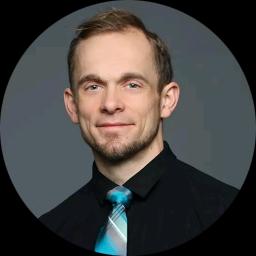
About Robert
Robert Allanson is a Licensed Clinical Professional Counselor (LCPC) practicing in Illinois with ten years of experience. He works with people facing stress, anxiety, addictions, grief, depression, and major life changes. He uses straightforward conversation and practical skills to help clients consider what matters next, including questions about life purpose.
He trained in community counseling and has worked in inpatient and outpatient settings with adolescents and adults. His background includes substance use and mental health treatment, and he draws on that experience when addiction or mood concerns are present. Robert emphasizes a client-centered stance, focusing on what the person already knows and can use.
In sessions he blends techniques from Acceptance and Commitment Therapy (ACT), Dialectical Behavior Therapy (DBT), and client-centered approaches. That means he may introduce mindfulness and values-based exercises from ACT, concrete emotion regulation and distress-tolerance skills from DBT, and open, reflective listening from client-centered work. He aims to teach specific tools people can practice between meetings.
Robert also addresses related issues such as attachment concerns, body image, caregiver stress, chronic illness, communication problems, control issues, guilt and shame, impulsivity, isolation, men’s midlife questions, and forgiveness. He helps people think through how these issues affect day-to-day decisions and relationships.
His style is collaborative and problem-focused. He helps clients clarify strengths, try small experiments, and adapt strategies as life shifts. People who want practical steps toward clearer priorities and steadier coping often find this approach useful.
Therapeutic approaches for online sessions
Acceptance and Commitment Therapy (ACT) uses values clarification and mindful awareness to help people act in line with what matters to them despite difficult thoughts or feelings. It can be useful for anxiety, depression, and questions about life purpose.Dialectical Behavior Therapy (DBT) supplies concrete skills in emotion regulation, distress tolerance, and interpersonal effectiveness. Those tools can help when strong emotions, impulsivity, or relationship problems interfere with daily life.
Client-Centered Therapy emphasizes listening and reflection to help people feel heard and to find their own solutions. It supports self-exploration alongside the more skills-based work of ACT and DBT.
Finding the right mix of these approaches is part of the work. The therapist will collaborate with each person to identify goals, test different techniques, and adjust the plan based on how things are progressing. This is a practical, step-by-step collaboration rather than a one-size-fits-all prescription.
Please confirm which session formats are offered before booking, as this profile does not list specific options. Online work can make it easier to fit therapy into a busy week, allow shorter check-ins when needed, and reduce travel time. It also lets people practice skills in their everyday routines while discussing what works and what needs changing.
Areas of expertise
Additional focus areas
Therapeutic approaches
Experience
10+ years
Listed in
Illinois
Languages
English
Frequently asked questions
What concerns does he help with?
He works with stress, anxiety, addictions, grief, depression, and coping with life changes. Additional focuses include attachment, body image, caregiver stress, chronic illness, communication, control, guilt, shame, impulsivity, isolation, life purpose, men’s issues, and midlife concerns.
How does he approach someone feeling stuck?
He uses a client-centered approach and practical techniques from ACT and DBT. Sessions focus on clarifying values, building coping skills, and trying small, manageable experiments between meetings.
What is his background and experience?
He has ten years of clinical experience and has worked in inpatient hospitalization and outpatient substance use and mental health settings. His training includes a master’s degree in community counseling.
What are his credentials and where is he based?
He is a Licensed Clinical Professional Counselor (LCPC) in Illinois. He practices from that state and lists Illinois as his location.
Which languages are sessions offered in?
Sessions are offered in English.
Can people outside the United States work with him?
He does not accept international clients at this time; his practice is based in Illinois.
How does payment or cost work?
Cost varies with location. Sessions use a subscription model that can be canceled at any time.
How do I begin working with him?
Start by selecting the See online therapy options button, completing a short matching questionnaire, and scheduling a first session. That process connects you to next steps for booking.
Online talk therapy is not emergency care. If you are in danger, use the crisis numbers.