- Stress and anxiety
- Trauma and PTSD
- Values focused work
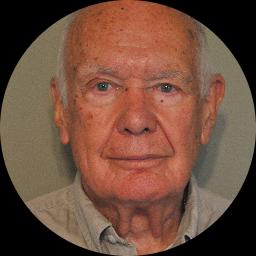
About Paul
Paul D. Wess is an Ohio LPCC with 30 years of clinical experience. He holds master’s degrees in psychology and sociology and completed a C.A.G.S., which documents additional doctoral-level study. He focuses on stress, anxiety, trauma and abuse, mood disorders, relationship and family concerns, and life purpose work.
He works in a straightforward way that connects thoughts, feelings, and behavior. Sessions look at how past events affect current reactions. He pays attention to patterns such as impulsivity, control issues, and attachment concerns. Practical strategies and reflective conversation are both part of the work.
Paul integrates several approaches to match what each person needs. He uses Acceptance and Commitment Therapy to clarify values and commit to meaningful action. Cognitive Behavioral Therapy helps identify and change unhelpful thinking and behavior. He also draws on Client-Centered and Existential ideas when exploring identity, purpose, and moral choices.
Clients may bring problems like grief, addiction, panic attacks, sexual concerns, or struggles with self-esteem and intimacy. He also addresses men’s issues, compassion fatigue, and feelings of isolation or abandonment. He aims to help people notice stuck patterns and try manageable alternatives.
Language support is offered in English and Estonian. Paul practices in Ohio as an LPCC and works with adults who want to sort out life changes, career questions, or relationship strain.
To begin, people are usually asked to complete a short matching questionnaire and schedule a first session. The initial step helps clarify goals and practical next steps.
How Paul integrates approaches for online work
Acceptance and Commitment Therapy (ACT) focuses on clarifying what matters to a person and taking small committed steps toward those values. It can help when someone feels directionless after a job, relationship, or health change.Cognitive Behavioral Therapy (CBT) looks at the links between thoughts, feelings, and actions and teaches practical skills to change patterns that increase anxiety or depression. It is useful for panic attacks, mood symptoms, and unhelpful behavior patterns.
Client-Centered Therapy emphasizes listening and reflection to help someone find their own answers about purpose, identity, and relationships. This approach supports work on intimacy issues, self-esteem, and life purpose questions.
Finding the right approach is part of the process. Paul will work collaboratively to identify which methods fit a person’s goals and preferences. He uses feedback and discussion to adjust techniques and focus as needs change.
The profile does not list specific online session formats, so confirm current options before booking. Many people find online sessions easier to fit into a busy day and helpful for shorter check-ins or regular weekly work without travel. Others choose formats that let them talk without being on camera or that require less bandwidth. Discuss format and scheduling when completing the matching questionnaire so practical arrangements can match daily life.
Areas of expertise
Primary focus
Also works with
Additional focus areas
Therapeutic approaches
Experience
30+ years
Listed in
Ohio
Languages
English, Estonian
Frequently asked questions
Which concerns does he commonly address?
He works with stress, anxiety, trauma and abuse, depression, bipolar and mood disorders, addictions, relationship and family concerns, grief, and life purpose questions.
How does he approach someone who feels stuck?
He combines practical techniques and reflective talk, using methods that help identify unhelpful thoughts and try different behaviors while clarifying values and goals.
What is his clinical background?
He has 30 years of experience, master’s degrees in psychology and sociology, and completed a C.A.G.S. indicating further doctoral-level study.
What credential and region should I know about?
He is an Ohio LPCC and practices in Ohio.
In which languages are sessions offered?
Sessions are offered in English and Estonian.
Can I work with him from another country?
International clients are not currently accepted; sessions are arranged for people located in the regions he serves.
How are sessions priced?
Cost varies with location and sessions use a subscription that can be canceled at any time.
What are the first steps to start?
Select the See online therapy options button, complete a short matching questionnaire, and schedule a first session to begin.
Online talk therapy is not emergency care. If you are in danger, use the crisis numbers.