- Stress and anxiety
- CBT and DBT skills
- Attachment work
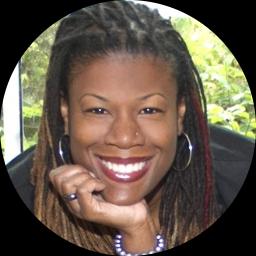
About Monica
Monica Williams is a North Carolina Licensed Clinical Mental Health Counselor (LCMHC) with 15 years of experience. She works with adults who feel stuck, unsure of their direction, or weighed down by stress, anxiety, depression, trauma, relationship concerns, or ADHD. Monica also lists life purpose, attachment, communication, and grief-related issues among her focus areas.
She describes her approach as blending person-centered conversation with practical therapies. Sessions focus on slowing racing thoughts, clarifying values, and identifying next steps. Monica often brings a conversational tone and occasional humor to make difficult topics easier to address.
In practice she uses Client-Centered Therapy alongside Cognitive Behavioral Therapy (CBT) and Dialectical Behavior Therapy (DBT) skills. She also integrates Internal Family Systems ideas to look at conflicting parts and internal patterns. These methods are used to address symptoms like panic, intrusive thoughts, impulsivity, and relationship patterns.
Monica commonly helps people think through midlife shifts, questions about purpose, and cultural or multicultural concerns. She can work through family of origin issues, forgiveness, guilt and shame, and the aftermath of abuse or traumatic events. Conversations are aimed at practical change rather than abstract theory.
Sessions are conducted in English and are based in North Carolina. Getting started involves completing a short matching questionnaire and scheduling a first session through the online options button. Costs vary with location and use a subscription that can be canceled at any time.
Therapeutic approaches and how online sessions work
Monica uses Client-Centered Therapy to create a respectful, nonjudgmental space where clients lead the conversation and explore what matters most to them. This approach helps people clarify values and concerns and is useful for questions about life purpose or direction.She also uses Cognitive Behavioral Therapy (CBT) and Dialectical Behavior Therapy (DBT) skills to target patterns of thinking and behavior. CBT helps identify unhelpful thought habits and build alternative strategies, while DBT offers concrete tools for managing intense emotions, impulsivity, and panic symptoms.
Finding the best approach is part of the work. Monica will collaborate with each person to choose which methods fit their goals, needs, and preferences. That means discussing which techniques to try and adjusting them as progress is made.
The profile does not list specific session formats, so confirm current online options before booking. Practical benefits of remote work include fitting sessions into a busy week, shorter check-ins when schedules are tight, and options that may reduce travel time or let someone join from a different location within the same state. Licensed professionals can adapt CBT and DBT exercises for online conversation and homework so therapy can fit into everyday life.
Areas of expertise
Primary focus
Additional focus areas
Therapeutic approaches
Experience
15+ years
Listed in
North Carolina
Languages
English
Frequently asked questions
What concerns does she address?
She works with stress, anxiety, depression, trauma and abuse, relationship issues, ADHD, and life purpose questions. Additional focuses include attachment, communication, guilt and shame, and panic.
How would she approach feeling stuck?
She blends Client-Centered conversation with CBT and DBT techniques to interrupt stuck patterns and build practical coping skills. Internal Family Systems ideas may be used to name inner parts that pull people in different directions.
How much experience does she have?
She has 15 years of professional work experience in mental health.
What are her credentials and where is she based?
She holds the NC LCMHC credential and practices from North Carolina.
Which languages are supported?
Sessions are offered in English.
Can international clients work with her?
International clients are not currently accepted.
How are sessions billed and what does it cost?
Cost varies with location and sessions use a subscription that can be canceled at any time.
What do I do to begin?
Select the See online therapy options button, complete a short matching questionnaire, and schedule a first session.
Online talk therapy is not emergency care. If you are in danger, use the crisis numbers.