- CBT methods
- DBT skills
- Mindfulness tools
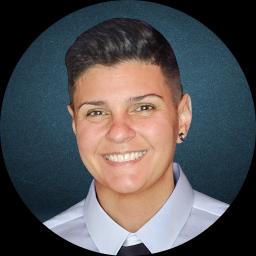
About Michelle
Michelle Harmolin is an LPC - Licensed Professional Counselor in New Jersey with eight years of clinical experience. She works with people facing stress, anxiety, depression, anger, low self-esteem, addictions, and life changes. Michelle also addresses relationship and family concerns, grief, parenting strain, compassion fatigue, and questions around gender and identity.
Her style centers on straightforward, person-focused conversations. She listens for how thoughts, behaviors, and relationships keep problems going. Then she helps people try new ways of responding using practical skills from cognitive behavioral therapy and dialectical behavior strategies. Mindfulness and motivational interviewing are woven in when they fit.
Sessions typically explore what matters most now - whether that is feeling less stuck after a breakup, finding direction after a job change, or coping with loss. Michelle pays attention to attachment, abandonment, codependency, and communication patterns that repeat in relationships. She also works with substance use and impulsivity concerns in the context of daily life.
Michelle brings an affirming approach for LGBT clients and people questioning gender, including gender dysphoria and identity issues. She aims to help clients build clearer boundaries, improve communication, and reduce isolation through concrete practice and reflection.
Her work is practical and grounded. Conversations focus on small, manageable changes and on skills that can be used between sessions. To begin, readers are invited to use the directory matching process to schedule a first session and see if her approach feels like a good fit.
How her approaches translate to online work
Michelle often draws on Cognitive Behavioral Therapy and Dialectical Behavior Therapy in session. CBT focuses on identifying unhelpful thoughts and testing new behaviors, which can help with anxiety, depression, and low self-esteem. DBT teaches emotion regulation, distress tolerance, and interpersonal effectiveness skills for anger, impulsivity, and relationship strain.She also uses Client-Centered Therapy ideas, which means conversations start from what the client notices and values. Together the therapist and client decide which methods to try and adjust them over time. That collaborative process helps figure out what fits a person's goals and daily life.
Practical benefits of online work include fitting sessions into a busy week and having shorter check-ins when needed. If you are considering remote sessions, confirm the exact session formats available before booking, since formats are set by the therapist's practice. Online sessions can make it easier to practice homework between meetings and to bring real-life problems directly into discussion.
Areas of expertise
Primary focus
Also works with
Additional focus areas
Therapeutic approaches
Experience
8+ years
Listed in
New Jersey
Languages
English
Frequently asked questions
What kinds of concerns does she address?
She supports stress, anxiety, depression, anger, self-esteem issues, addictions, relationship and family problems, grief, parenting challenges, compassion fatigue, and life transitions.
How would she approach feeling stuck or directionless?
She uses practical talk and skill-building from client-centered work, CBT, and DBT to identify patterns and try small experiments that can change daily routines and thinking.
What is her clinical background and experience?
She has eight years of experience as a clinician working with adults on mood, identity, relationship, and addiction-related issues.
What credentials and region apply to her practice?
She is an LPC - Licensed Professional Counselor licensed in New Jersey and practices from that state.
Can people meet with her in languages other than English?
Sessions are offered in English.
Does she work with clients outside the United States?
She does not accept international clients at this time.
How are sessions paid for and what does it cost?
Cost varies with location; sessions are billed through a subscription that can be canceled at any time.
How do I get started with her?
Use the See online therapy options button, complete the short matching questionnaire, and schedule a first session to begin.
Online talk therapy is not emergency care. If you are in danger, use the crisis numbers.