- Stress and anxiety
- Addiction recovery
- Parenting support
About Maryrobin
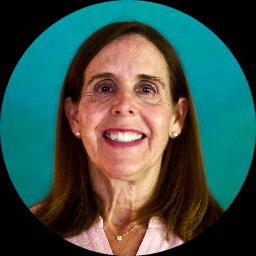
Maryrobin Smelzer is a North Carolina LCMHC with 25 years of clinical experience. She works with adults facing stress, anxiety, attention and focus challenges, parenting strains, self-esteem concerns, and addiction recovery. She also supports people dealing with family-of-origin patterns, communication problems, and questions about life purpose.
Maryrobin focuses on practical conversations. She asks direct questions and listens to how everyday life is affected. Sessions look at patterns that keep people stuck and small changes that make daily life easier. Topics often include managing overwhelm, improving communication, and reducing substance use harms.
She has worked extensively with women, young adults, and parents. That experience informs how she frames goals and homework between sessions. She explains skills in plain language and checks that they fit each person's routine.
Her style is collaborative and person-centered. She draws on evidence-based therapeutic techniques to guide problem solving, skill building, and relapse prevention. The aim is clearer thinking and more dependable ways of handling stress and cravings.
People often come for help with identity questions and life purpose after big changes. Maryrobin helps them sort priorities, test small steps, and notice what actually works. To begin, she asks about current routines, supports, and realistic next steps.
How evidence-based approaches guide online work
Maryrobin uses evidence-based therapeutic techniques to structure sessions in clear, practical ways. One common method focuses on teaching coping skills for stress and anxiety - practical breathing, scheduling, and thought-challenging strategies that reduce immediate overwhelm and improve daily functioning. Another method involves relapse prevention and behavior planning for addiction recovery, which breaks risky patterns into triggers, responses, and alternative actions to try.Choosing which approach to use is part of the work together. She will review your concerns, goals, and preferences and then recommend techniques to try. That recommendation can change as you test what helps and what does not, and she invites active feedback throughout the process.
Confirm the current session options before booking, as formats are not specified here. Online sessions can make it easier to fit therapy into busy schedules, reduce travel time, and allow shorter check-ins when needed. They also allow people to practice skills in their everyday settings and bring immediate real-world problems into the session for problem solving.
Areas of expertise
Primary focus
Additional focus areas
Experience
25+ years
Listed in
North Carolina
Languages
English
Frequently asked questions
What concerns does she address?
She works with stress, anxiety, ADHD challenges, self-esteem issues, parenting struggles, and addiction recovery. Additional focuses include family-of-origin patterns, communication problems, life purpose, and women's and young adult issues.
How does she approach feeling stuck?
Her approach is collaborative and person-centered, using evidence-based techniques. She asks practical questions, teaches skills, and helps people test small changes between sessions.
How much experience does she bring?
Maryrobin has 25 years of clinical experience working with adults, parents, young adults, and women on a range of concerns.
What are her credentials and where is she based?
She is an LCMHC licensed in North Carolina and practices from that state.
In what languages can sessions be held?
Sessions are offered in English.
Can people outside the United States work with her?
International clients are not currently accepted.
How are sessions scheduled and what about cost?
Costs vary with location and sessions use a subscription model that can be canceled at any time.
What do I do to get started?
Select the See online therapy options button, complete a short matching questionnaire, and schedule a first session.
Online talk therapy is not emergency care. If you are in danger, use the crisis numbers.