- CBT techniques
- Mindfulness skills
- Trauma-focused work
About Elizaveta
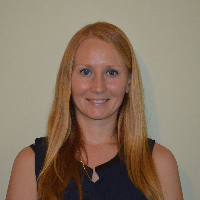
Elizaveta (Liza) Patchen is a Licensed Clinical Social Worker, LCSW, in Florida with nine years of clinical experience. She works with adults facing stress, anxiety, addictions, trauma and abuse, grief, depression, and questions about life purpose. She is fluent in English and Russian and has supported people dealing with sleep, eating, self-esteem, and ADHD concerns.
She earned a Master’s Degree in Social Work in 2014 after studying culture and arts at the undergraduate level. Her clinical background includes inpatient and outpatient settings, working with older adults in inpatient care, individuals and families in outpatient therapy, and clients in addiction treatment. She has also worked with people experiencing severe mental illness.
Her approach uses Client-Centered Therapy, Cognitive Behavioral Therapy (CBT), Dialectical Behavior Therapy (DBT), Mindfulness Therapy, and Trauma-Focused Therapy. In session she emphasizes practical strategies such as identifying unhelpful thinking patterns and practicing mindfulness skills. She also focuses on reclaiming or redefining life purpose when that sense of meaning has been lost.
Sessions often address immediate problems like managing anxiety or coping with loss, while also working on longer-term patterns such as codependency, control issues, or chronic pain and illness. She draws on trauma-focused methods when past events continue to affect daily functioning. The work combines talking, skills practice, and problem-solving.
Clients can expect a straightforward, goal-oriented style that balances symptom relief with longer-term planning. She places attention on concrete tools for stress, addiction, and grief, and on restoring a sense of direction after major life changes.
How her approaches translate to online work
Client-Centered Therapy focuses on the person’s own goals and perspective, giving time to talk through what matters and what feels blocked. This approach helps when someone wants a collaborative space to sort priorities and clarify values.Cognitive Behavioral Therapy, or CBT, breaks problems into thoughts, feelings, and behaviors. It typically involves identifying unhelpful thinking, testing it, and practicing specific skills to reduce anxiety, low mood, or addictive patterns.
Dialectical Behavior Therapy, DBT, contributes practical tools for emotion regulation, distress tolerance, and clearer communication. Those skills are useful for people who struggle with intense emotions or recurring patterns that interfere with daily life.
Finding the right approach is part of the work. She will help clients compare methods and pick what fits their needs, goals, and preferences. That decision is collaborative and can change as goals evolve.
Practical benefits of online work include fitting sessions into a busy schedule and making it easier to keep regular appointments. If you need to fit therapy around work, caregiving, or medical demands, online sessions can reduce travel time and make shorter check-ins possible. The profile does not list specific session formats, so confirm current session options before booking to know whether phone, video, or other formats are offered.
Areas of expertise
Also works with
Additional focus areas
Therapeutic approaches
Experience
9+ years
Listed in
Florida
Languages
English, Russian
Frequently asked questions
What kinds of problems does she address?
She works with stress, anxiety, addictions, trauma and abuse, grief, depression, and questions about life purpose. Additional focuses include caregiver stress, chronic pain and body image.
How would she approach someone feeling stuck in life?
She uses a mix of Client-Centered methods, CBT, DBT, mindfulness, and trauma-focused tools to identify unhelpful patterns and practice new skills. Work typically combines conversation, skills practice, and planning.
How much clinical experience does she have?
She has nine years of experience working in inpatient and outpatient settings since completing her MSW in 2014. Her background includes addiction treatment and work with older adults and people with severe mental illness.
What is her professional credential and where is she based?
She is a Licensed Clinical Social Worker, LCSW, licensed in Florida and practicing from that state.
Which languages are supported in sessions?
Sessions are offered in English and Russian. She also accepts international clients.
What session formats are available?
The original profile does not list specific session formats. Confirm current session options before booking to ensure they match your needs.
How are fees handled?
Costs vary with location and sessions use a subscription that can be canceled at any time. Exact pricing depends on your location.
How do I begin if I want to work with her?
Select the See online therapy options button, complete a short matching questionnaire, and schedule a first session to start the process.
Online talk therapy is not emergency care. If you are in danger, use the crisis numbers.