- Client-Centered Therapy
- Cognitive Behavioral Therapy
- Mindfulness methods
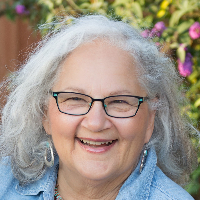
About Janet
Janet Nestor is an LCMHC (Licensed Clinical Mental Health Counselor) with 23 years of clinical experience based in North Carolina. She works with adults and adolescents aged 14 and up on concerns such as anxiety, stress, trauma, depression, bipolar disorder, ADHD, addictions, grief, and life transitions. She also addresses eating and sleeping issues, anger, self-esteem, and compassion fatigue. Janet uses practical talk and straightforward techniques in sessions.
Janet began her career in special education, supporting adolescents and adults with ADHD, learning differences, autism, and physical disabilities. That background informs how she approaches attention differences and neurodiversity in counseling. She has also worked with people who have chronic illness, Lyme disease, and autoimmune conditions, and with those in long-term recovery from substance use.
Her style is informal and client-centered. She blends insight-oriented conversation with somatic awareness and cognitive work to help clients manage panic, phobias, and anxiety-related problems. She often uses mindfulness and solution-focused strategies to build practical coping skills.
Sessions are conversational and aim to match the person's needs and capacity. Janet is experienced supporting people through career changes, divorce and separation concerns, caregiver stress, family of origin issues, and the emotional effects of trauma and loss. She also works with first responder issues and challenges related to aging and chronic pain.
Janet works in English and practices in North Carolina. For next steps, prospective clients are asked to use the site matching questionnaire and schedule an initial session through the online therapy options.
How her therapeutic approaches translate to online work
Client-centered therapy focuses on the person's concerns and preferences. Sessions emphasize listening, reflection, and finding what feels useful to the client. This approach helps people who are unsure what they need or want to change.Cognitive Behavioral Therapy (CBT) looks at unhelpful thoughts and behaviors and teaches practical tools to reduce anxiety, manage panic, and address mood symptoms. It is often used for stress, phobias, and depressive symptoms where skill practice between sessions is helpful.
Mindfulness therapy brings simple attention and breathing practices into everyday life. It can support people coping with stress, chronic illness, or emotional overwhelm by developing steadyer awareness and calmer responses.
Finding the right approach is part of the work. The therapist will collaborate with the client to choose or blend methods based on goals, comfort, and what proves effective in early sessions. That collaborative process helps narrow down practical steps and adjustments.
The original profile does not list specific session formats, so confirm the available options before booking. Online work can make it easier to fit sessions into a busy week, offer shorter check-ins when needed, and reduce travel time. It can also allow for flexible scheduling around work breaks or caregiving duties. Licensed professionals typically adapt exercises and somatic practices so they translate well to a remote setting.
Areas of expertise
Primary focus
Also works with
Additional focus areas
Therapeutic approaches
Experience
23+ years
Listed in
North Carolina
Languages
English
Frequently asked questions
What kinds of problems does she address?
She works with stress, anxiety, trauma, depression, bipolar disorder, ADHD, addictions, grief, eating and sleeping concerns, and coping with life changes.
How would she approach feeling stuck or directionless?
Her style is informal and client-centered, combining insight talk, cognitive techniques, mindfulness, and somatic awareness to help clarify next steps and build practical coping skills.
How much experience does she have?
She has 23 years of experience, including an earlier career in special education working with adolescents and adults who had ADHD, learning differences, autism, and physical disabilities.
What are her credentials and where does she practice?
She is an LCMHC (Licensed Clinical Mental Health Counselor) licensed in North Carolina and practices there.
Does she work in languages other than English?
Sessions are offered in English.
What session formats are available?
The original profile does not list specific session formats. Please confirm the current session options before booking.
How is cost handled for sessions?
Fees vary with location and sessions use a subscription that can be canceled at any time.
How do I begin working with her?
Select the See online therapy options button, complete the short matching questionnaire, and schedule a first session.
Online talk therapy is not emergency care. If you are in danger, use the crisis numbers.