- Depression and anxiety
- Substance use concerns
- Life purpose conversations
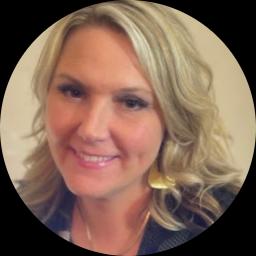
About Heather
Heather Swopes is an LCSW (Licensed Clinical Social Worker) practicing in Arkansas with 23 years of experience. She works with people facing depression, anxiety, stress, mood disorders, and substance use concerns. She also helps those dealing with panic, obsessive-compulsive patterns, and major life transitions, including questions of life purpose.
She uses practical, straightforward methods in sessions. Heather talks through isolation and loneliness, social anxiety, and difficulties with forgiveness, control, and abandonment. She includes faith-based perspectives when clients want that included.
Heather has worked with people managing chronic pain, seasonal mood shifts, domestic violence impacts, and problems tied to impulsivity or commitment. Her background gives her familiarity with a wide range of mood and behavioral concerns. She draws on evidence-based therapeutic techniques to guide sessions.
Sessions focus on clear goals and steps you can try between meetings. Conversations look at patterns, immediate coping skills, and choices that affect daily life. Heather emphasizes collaboration so clients help shape what comes next.
People come to Heather when they feel stuck after changes in work, relationships, or health, or when they want to explore purpose and direction. She aims to break problems into manageable parts. That makes it easier to try new approaches and notice what helps.
How therapeutic approaches are used in online sessions
Heather uses evidence-based therapeutic techniques that focus on practical change. One common approach emphasizes identifying unhelpful thoughts and testing new ways of thinking and behaving to reduce symptoms of anxiety and depression. This method helps people notice thinking patterns and try specific exercises between sessions.Another approach centers on behavioral strategies to manage impulsivity, mood swings, and substance use. It breaks problems into concrete steps, teaches coping skills, and tracks progress over time. This helps when immediate habits or crises need clear, repeatable strategies.
Choosing the right approach is a collaborative process. Heather works with each person to match methods to their goals, needs, and preferences. She reviews what has helped in the past and adjusts techniques as work progresses.
Session formats are not specified in the biography, so confirm current online options before booking. Online sessions can make it easier to fit therapy into a busy life, reduce travel time, and allow shorter check-ins when needed. They also let people continue work after a move or during work and family transitions, while the therapist and client decide together how best to structure visits.
Areas of expertise
Primary focus
Additional focus areas
Experience
23+ years
Listed in
Arkansas
Languages
English
Frequently asked questions
What kinds of concerns does she address?
She works with stress, anxiety, depression, mood disorders, addictions, panic, OCD patterns, and life transitions including questions about life purpose.
How does she approach someone who feels stuck?
She uses practical, evidence-based techniques and collaborative conversation to identify patterns and small steps to test between sessions.
How much experience does she have?
She has 23 years of clinical experience working with a broad range of mood and behavioral concerns.
What credential does she hold and where does she practice?
She is an LCSW (Licensed Clinical Social Worker) licensed in Arkansas and practices there.
Does she work in languages other than English?
Sessions are offered in English.
Can people outside the United States work with her?
She is not currently accepting international clients.
What is the cost structure for sessions?
Cost varies with location and sessions use a subscription model that can be canceled at any time.
How do I begin working with her?
Select the See online therapy options button, complete the short matching questionnaire, and schedule a first session.
Online talk therapy is not emergency care. If you are in danger, use the crisis numbers.