- Person-centred approach
- Attachment awareness
- Mindfulness methods
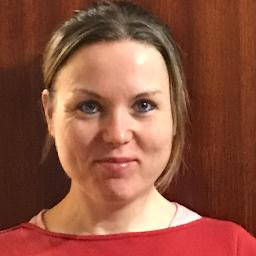
About Eva
Eva Vass is a BACP-registered counsellor with three years' practice in the United Kingdom. She works with people facing stress, anxiety, depression, relationship difficulties and life transitions, including concerns around identity, parenting and career. She also supports those coping with trauma, grief and intimacy-related issues.
Eva uses a person-centred way of working as her main frame. She listens to understand rather than to reply, and she aims to build a straightforward, respectful relationship with clear boundaries. This approach means the client guides the focus of each session while she reflects and responds to what is most important in the moment.
She brings integrative elements into sessions when helpful. That includes looking at attachment patterns and early life events with psychodynamic ideas, or using cognitive techniques to notice and shift unhelpful thinking. Mindfulness and emotionally-focused ideas are also woven in to help people name feelings and respond differently to them.
Her training includes a Level 4 diploma in therapeutic counselling and membership of the British Association for Counselling and Psychotherapy (BACP). She has completed workshops on safeguarding, LGBTQ terminology and pronouns, online and telephone counselling, eating disorder support and gender and sexuality.
Eva has worked with both young people and adults on a range of issues such as self-harm, neurodiversity, transgender issues, eating disorders and relationship strain. She accepts international clients who can work in English and asks prospective clients to confirm session options before booking.
How her approaches translate to online work
Attachment-based work focuses on patterns in close relationships. In practice this means noticing how past bonds shape current reactions and using that awareness to try new ways of relating. It can help with anxiety about closeness, trust and commitment. Person-centred practice involves listening deeply and following what the client brings. Online sessions still centre on the client’s experience, with the counsellor reflecting, asking gentle questions and helping the person name feelings and preferences. Emotionally-focused ideas are used to map and make sense of strong emotions and how they affect behaviour. Finding the right approach is collaborative. Eva will help explore which combination of methods fits a person’s goals and preferences. Early sessions are often about deciding whether attachment work, person-centred reflection or emotionally-focused exploration feels most useful. Please confirm the current session options before booking, as formats are not listed here. Online work can make it easier to fit counselling around daily routines, shorten travel time and allow quieter check-ins when longer sessions are difficult. Telephone appointments may need less bandwidth and video sessions let visual cues be part of the conversation. Registered or accredited professionals can adapt the pace and focus to what suits each person’s life and goals.Areas of expertise
Primary focus
Also works with
Additional focus areas
Therapeutic approaches
Experience
3+ years
Listed in
United Kingdom
Languages
English
Frequently asked questions
What kinds of concerns does she work with?
She works with stress, anxiety, depression, relationship and intimacy-related issues, trauma and abuse, grief, self-esteem, parenting and career questions. Additional focus areas include ADHD, eating concerns and identity issues.
How would she approach someone feeling stuck about purpose?
She uses a person-centred style that lets the client lead while she listens and reflects. Integrative tools such as attachment work, mindfulness and some cognitive techniques can help clarify values and patterns that affect direction.
What experience does she bring?
She has three years of clinical experience and has worked with young people and adults on issues like self-harm, neurodiversity, transgender matters, eating disorders and relationship strain.
What are her credentials and where is she based?
She holds a Level 4 diploma in therapeutic counselling and is an individual member of the British Association for Counselling and Psychotherapy (BACP). She practises from the United Kingdom.
Can sessions be carried out in languages other than English?
Sessions are offered in English.
Does she work with international clients?
Yes, she accepts international clients and can work with people who communicate in English.
How are sessions paid for?
Costs vary with location and sessions use a subscription model that can be cancelled at any time.
What steps do I take to start therapy?
Select the See online therapy options button, complete a short matching questionnaire and then schedule a first session.
Online talk therapy is not emergency care. If you are in danger, use the crisis numbers.