- Stress and anxiety
- Attachment issues
- Life purpose questions
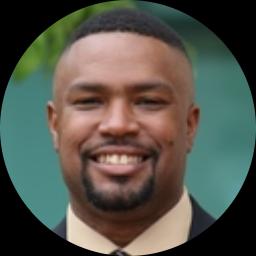
About Trottjoseph
Trottjoseph Lee is a Licensed Independent Clinical Social Worker (LICSW) practicing in Massachusetts with eight years of experience. He works with adults who are dealing with stress, anxiety, relationship and family concerns, self-esteem struggles, and the disruptions that follow life changes. He also focuses on attachment issues, control issues, forgiveness, and questions of life purpose.
He uses plain, direct conversation to help people sort through what matters now. Sessions look at relationship patterns and personal habits that keep stress and anxiety active. He talks through coping skills and practical steps for managing everyday pressure.
Trottjoseph draws on evidence-based techniques to address specific problems. This includes helping clients recognize unhelpful thinking, build better emotional regulation, and set small goals that move them forward. He describes these tools in everyday language and checks that they fit each person's situation.
As a veteran and a parent, he brings lived experience to discussions about role changes and life transitions. He pays attention to how attachment and control issues shape relationships and behavior. Conversations may cover forgiveness work when past hurts affect current choices.
People who feel stuck after a job change, break-up, health shift, or other transition can expect practical focus in sessions. Trottjoseph asks concrete questions, offers clear techniques, and helps people try out different actions between meetings. He invites clients to review what works and adjust the plan over time.
Practical therapy methods and how remote sessions work
Trottjoseph uses evidence-based techniques in plain terms. Cognitive Behavioral Therapy (CBT) focuses on noticing unhelpful thoughts and testing different behaviors to reduce anxiety and lift mood. Dialectical Behavior Therapy (DBT) offers concrete skills for emotional regulation and managing intense reactions, useful for relationship stress and chronic worry.Finding the right approach is part of the work. He will discuss options, try methods together, and change course based on what helps the client's goals and preferences. That process is collaborative and revisited as needs shift.
The practical benefits of remote sessions include fitting therapy into a busy life and keeping momentum between meetings. Confirm current session options before booking so you know what formats are offered. Remote sessions can make it easier to schedule shorter check-ins, avoid travel time, or connect when leaving work for a break. Licensed professionals can adapt evidence-based tools to suit online meetings and help clients practice strategies in their everyday environment.
Areas of expertise
Primary focus
Additional focus areas
Experience
8+ years
Listed in
Massachusetts
Languages
English
Frequently asked questions
What concerns does he commonly address?
He works with stress, anxiety, relationship and family issues, self-esteem, and coping with life changes. Additional focus areas include attachment, control issues, forgiveness, and life purpose.
How does he approach feeling stuck or directionless?
He uses straightforward conversation and evidence-based techniques to map patterns and try small practical steps. The aim is to test what helps and adjust strategies over time.
How much experience does he have?
He has eight years of clinical experience working with adults on stress, relationships, and life transitions.
What are his credentials and location?
He is an MA LICSW and practices in Massachusetts.
Which languages are supported in sessions?
Sessions are offered in English.
Can international clients work with him?
He does not accept international clients at this time.
How does cost work for sessions?
Cost varies with location and sessions use a subscription that can be canceled at any time.
What are the steps to begin working together?
Use the See online therapy options button, complete the short matching questionnaire, and schedule a first session.
Online talk therapy is not emergency care. If you are in danger, use the crisis numbers.