- Life purpose focus
- Attachment and abandonment
- ACT and CBT methods
About Po
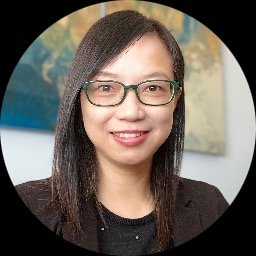
Po Yee Fung is a licensed mental health counselor (LMHC) and a licensed professional clinical counselor (LPCC) practicing in California with ten years of experience. She works with people facing stress, anxiety, depression, relationship difficulties, trauma and abuse, and issues around self-esteem. Sessions are offered in English, Mandarin, and Cantonese.
Fung uses practical talk-based work to help people notice what matters to them and take small steps in that direction. She draws on Acceptance and Commitment Therapy, Cognitive Behavioral Therapy, Dialectical Behavior Therapy, Emotionally-Focused Therapy, and client-centered approaches to guide the process. That means sessions can include examining unhelpful thinking patterns, learning emotion regulation skills, and practicing clearer ways of communicating with others.
She pays attention to family of origin issues, attachment and abandonment concerns, codependency, and the effects of cultural background on relationships. People often come for help with commitment issues, loneliness, guilt or shame, or the sense of emptiness that can follow big life changes. Life purpose and midlife concerns are listed among the areas she addresses.
Fung describes her work as culturally sensitive and notes particular experience with Asian American clients and those seeking faith-aligned counseling. In sessions she helps people strengthen self-esteem, build resilience, and develop concrete strategies for social anxiety and relationship patterns.
Practical steps are part of her approach: improving communication skills, rehearsing new responses, and using skills from evidence-based therapies to manage emotions. Anyone interested in starting is asked to use the site matching process and schedule an initial meeting to see how the work might proceed.
How her approaches translate to online work
Acceptance and Commitment Therapy (ACT) focuses on clarifying what matters to a person and taking committed action toward those values while learning to live with difficult thoughts and feelings. Cognitive Behavioral Therapy (CBT) looks at the link between thoughts, feelings, and behaviors and teaches practical strategies to change patterns that cause distress. Emotionally-Focused Therapy (EFT) helps people notice emotional responses in relationships and practice new ways of connecting and communicating.Finding the right approach is part of the work. She treats the choice of approach as collaborative and will help determine which methods fit a person's goals, needs, and preferences during early sessions. That assessment shapes how sessions proceed and which skills are emphasized.
The practical benefits of working online often include fitting sessions into a busy week and reducing travel time so therapy can be easier to maintain. Confirm the current session options before booking, as formats are not listed here. Online meetings can allow shorter check-ins when schedules are tight, reduce the need for camera use when that helps concentration, and make it simpler to schedule sessions around work or caregiving responsibilities.
Areas of expertise
Primary focus
Additional focus areas
Therapeutic approaches
Experience
10+ years
Listed in
California, New York
Languages
English, Mandarin, Cantonese
Frequently asked questions
What kinds of concerns does she work with?
She works with stress, anxiety, depression, relationship difficulties, trauma and abuse, and self-esteem concerns, plus related issues like attachment, codependency, and life purpose.
How does she approach feeling stuck or directionless?
She uses approaches such as Acceptance and Commitment Therapy and Cognitive Behavioral Therapy to help people clarify values and try small changes that reflect what matters to them.
How much clinical experience does she have?
She has ten years of experience working with individuals on mood, relationship, and trauma-related concerns.
What credentials and location are listed?
She holds LMHC and LPCC credentials and practices in California.
Which languages are supported in sessions?
Sessions are offered in English, Mandarin, and Cantonese.
Can people outside the U.S. work with her?
International clients are not currently accepted.
How are sessions paid for?
Costs vary with location; sessions use a subscription model that can be canceled at any time.
What are the first steps to begin working together?
Select the See online therapy options button, complete a short matching questionnaire, and schedule a first session.
Online talk therapy is not emergency care. If you are in danger, use the crisis numbers.