- Stress and anxiety
- Life purpose questions
- Communication skills
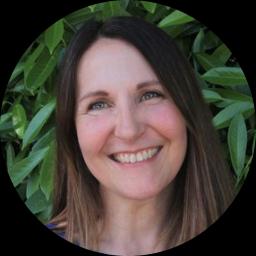
About Paula
Paula Rovik is a Washington LMHC with 18 years of clinical experience. She works with adults who are facing stress, anxiety, depression, grief, low self-esteem, and compassion fatigue. Paula also addresses life purpose questions and related practical pressures like money worries and caregiving strain.
She uses a mix of approaches that match the issue and the person. Paula draws on client-centered listening alongside cognitive behavior techniques to notice unhelpful thinking. She also integrates elements from dialectical behavior work and emotionally-focused approaches when relationships or intense emotions are central.
In sessions she helps people talk through attachment wounds, abandonment concerns, and problems with trust. She supports people coping with divorce, separation, and rebuilding after loss. Practical skill building - like communication and conflict management - is part of the work when relationship strain is present.
Paula also addresses body image, guilt and shame, isolation, and the stress of caregiving. She will explore values and meaning when someone is questioning what comes next in work or life purpose. Her multicultural experience includes working with people from a range of backgrounds.
Her style is conversational and straightforward. Sessions focus on what is most pressing and on small, usable steps that can fit into everyday life. Prospective clients in Washington who read English are asked to confirm current session options before booking.
How her approaches translate to online work
Paula combines client-centered listening with cognitive behavioral techniques and dialectical behavior ideas. Client-centered work focuses on understanding what matters to the person and following their lead. CBT looks at patterns of thought and behavior and teaches practical strategies to shift unhelpful patterns. DBT offers skills for managing intense emotions and improving interpersonal effectiveness, which helps when stress or conflict feels overwhelming.Finding the right approach is collaborative. Paula will discuss goals, try methods that fit those goals, and adjust over time based on what helps. The process is meant to identify workable techniques and a pace that aligns with the client's needs and preferences.
Session formats are not specified in the provided biography, so confirm current options before booking. Online work can make it easier to fit sessions into daily life, for example by removing travel time, allowing shorter check-ins during a busy day, or avoiding the need to be on camera when that feels difficult. Licensed professionals often blend talk and skill practice so lessons learned in sessions can be used between meetings.
Areas of expertise
Additional focus areas
Therapeutic approaches
Experience
18+ years
Listed in
Washington
Languages
English
Frequently asked questions
What concerns does she help with?
Paula works with stress, anxiety, depression, grief, low self-esteem, compassion fatigue, and related issues such as attachment wounds, relationship strain, and life purpose questions.
How would she describe her therapeutic style?
She uses client-centered listening and practical skill work. Sessions combine talk with hands-on strategies from cognitive behavioral and emotion-focused approaches.
How much experience does she bring?
She has 18 years of experience working with a broad range of concerns and people from diverse backgrounds.
What are her credentials and where is she based?
She is a Washington LMHC and practices in the state of Washington.
Which languages are sessions offered in?
Sessions are offered in English.
Can people from other countries work with her?
She does not accept international clients at this time.
How are sessions paid for?
Cost varies by location and sessions use a subscription that can be canceled at any time.
What do I do to begin?
Select the See online therapy options button, complete a short matching questionnaire, and schedule a first session.
Online talk therapy is not emergency care. If you are in danger, use the crisis numbers.