- Stress and anxiety
- Life transitions
- Trauma-informed work
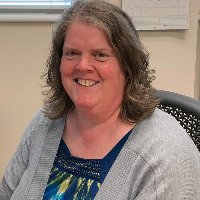
About Lori
Lori Cheek Gilroy is a Licensed Clinical Social Worker (LCSW) in Illinois with 26 years of experience. She works with adults who are feeling stuck after changes in work, relationships, health, or caregiving responsibilities. Her practice covers stress, anxiety, low self-esteem, depression, grief, trauma, parenting concerns, career questions, and life purpose issues.
She combines a client-centered stance with practical strategies. Sessions often focus on identifying clear goals, looking for small steps that fit day-to-day life, and building on the client’s own strengths. Lori uses elements of cognitive behavioral approaches, motivational interviewing, solution-focused work, and trauma-focused methods when they fit the concern.
Her background includes work in child welfare, a family counseling clinic, a family birthing center, crisis intervention, and a mental health clinic. That experience informs how she approaches caregiver stress, adoption and foster care questions, aging and geriatric issues, and veteran-related concerns.
Lori describes her practice as informed by a Christ-centered philosophy while aiming to respect each person’s beliefs and values. She emphasizes collaboration: clients are treated as the experts in their lives while she offers guidance and practical tools. People often come to her to talk through transitions, repair communication, manage chronic illness or pain, and reduce burnout.
To begin, prospective clients complete a short matching questionnaire and then schedule a first session. Costs vary by location and sessions use a subscription that can be canceled at any time.
Therapeutic approaches used in online sessions
Client-centered therapy focuses on listening and working from the client’s perspective. It emphasizes building a collaborative relationship and helping the person identify their own goals and answers. Cognitive Behavioral Therapy (CBT) looks at how thoughts, feelings, and behaviors interact and uses practical strategies to change patterns that increase stress or low mood. Trauma-Focused Therapy addresses the impacts of traumatic events and uses structured techniques to reduce ongoing symptoms and improve day-to-day coping.Choosing the right approach is part of the work. The therapist will discuss options and make decisions together with the client based on needs, goals, and what feels most useful. Over time methods can be adjusted if something isn’t working or priorities change.
Confirm current session formats before booking, as the biography does not list specific online options. Many people find that remote sessions make it easier to fit therapy into a busy schedule, allow for shorter check-ins when needed, and reduce travel time. Ask about session length and logistics when you complete the matching questionnaire so you can pick what fits your routine.
Areas of expertise
Also works with
Additional focus areas
Therapeutic approaches
Experience
26+ years
Listed in
Illinois
Languages
English
Frequently asked questions
What kinds of concerns does she address?
She works with stress, anxiety, depression, grief, trauma and abuse, parenting and career issues, life transitions, and life purpose questions.
How would she approach feeling stuck or directionless?
Her approach is client-centered and goal oriented, using solution-focused work and practical steps to clarify next moves and reduce overwhelm.
What is her professional background?
She has 26 years of counseling and life coaching experience and has worked in child welfare, family counseling, birthing center, crisis intervention, and mental health clinic settings.
What credentials and location are on record?
She is an LCSW licensed in Illinois.
Which languages are supported?
Sessions are offered in English.
Can international clients work with her?
She is not currently accepting international clients.
How are sessions paid for and what do they cost?
Cost varies with location; sessions use a subscription model that can be canceled at any time.
How do I get started with a first session?
Select the See online therapy options button, complete a short matching questionnaire, and schedule a first session.
Online talk therapy is not emergency care. If you are in danger, use the crisis numbers.