- CBT techniques
- Existential themes
- Addiction recovery focus
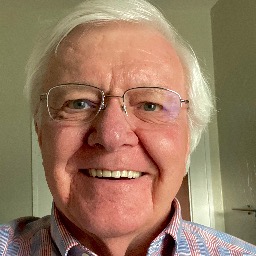
About Douglas
Douglas Strange is an LPC (Licensed Professional Counselor) based in Oklahoma with 12 years of experience. He works with people facing stress, anxiety, trauma and abuse, grief, low self-esteem, depression, addictions, relationship issues, anger, and life changes. He also focuses on drug and alcohol addiction, process addictions, guilt and shame, forgiveness, and questions of life purpose.
He draws on a long span of life experience outside counseling. That includes military service, decades in sales and management, and many years of personal recovery from addiction and participation in Alcoholics Anonymous. Those experiences inform how he relates to people and how he frames next steps.
In sessions he uses practical psychological ideas alongside conversations about values and meaning. He leans on Cognitive Behavioral Therapy tools to notice and shift thinking and behavior patterns. He also uses Existential Therapy to look at choices, responsibility, and what gives life direction.
Douglas describes his approach as respectful and nonjudgmental, and he emphasizes grace and mercy when people are coping with hard things. He aims to help people identify small, manageable changes and to practice them between sessions.
People who contact him can expect straightforward conversation about goals and obstacles. He combines mental health experience with lived experience of recovery to help people clarify what matters next and to work toward practical changes.
To set up a first appointment, follow the site's matching and scheduling steps and choose a session time that fits your routine.
How Douglas uses CBT and Existential ideas in online work
Douglas uses Cognitive Behavioral Therapy to help people spot patterns of thinking and behavior that make stress and anxiety worse. CBT in practice means setting clear goals, trying small behavior experiments, and reviewing what helps and what does not. It is useful for depression, anxiety, addiction-related habits, and managing anger.He also uses Existential Therapy to talk about values, responsibility, and what gives life meaning after change. Those conversations focus on choices, guilt and shame, and how someone wants to live going forward. This approach can help people who feel directionless or who are rethinking priorities after a loss or a major life change.
Choosing an approach is collaborative. He will work with each person to decide whether CBT, existential discussions, or a blend makes most sense based on goals and preferences. That decision can shift over time as new issues emerge.
Session formats are not specified in the supplied biography, so confirm current options before booking. Online sessions can make it easier to fit meetings into a busy life, reduce travel time, and allow shorter check-ins when schedules are tight. Licensed professionals often find that practical scheduling flexibility helps people keep momentum between sessions.
Areas of expertise
Also works with
Additional focus areas
Therapeutic approaches
Experience
12+ years
Listed in
Oklahoma
Languages
English
Frequently asked questions
What concerns does he help with?
He works with stress, anxiety, trauma and abuse, grief, low self-esteem, depression, addictions, relationship issues, anger, and coping with life changes. Additional focus areas include drug and alcohol addiction, process addictions, guilt and shame, forgiveness, and life purpose.
How does he approach someone who feels stuck?
He combines Cognitive Behavioral Therapy to identify unhelpful thoughts and behaviors with Existential Therapy to discuss values and choice. Sessions emphasize small practical steps people can try between meetings.
How much clinical experience does he have?
He has 12 years of experience as a counselor and additional life experience from military service and decades in sales and management. He also has many years of personal recovery from addiction.
What are his credentials and where is he based?
He is an LPC, Licensed Professional Counselor, practicing in Oklahoma.
Which languages are supported for sessions?
Sessions are offered in English.
Can people outside the United States work with him?
He is not currently accepting international clients.
How are sessions paid for?
Cost varies with location and sessions use a subscription model that can be canceled at any time.
What is the first step to begin?
Use the See online therapy options button, complete a short matching questionnaire, and schedule a first session through the booking process.
Online talk therapy is not emergency care. If you are in danger, use the crisis numbers.