- Client-Centred Therapy
- English and French
- Short or open-ended work
About Blandine
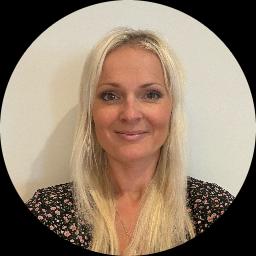
Blandine Cummins is a BACP counsellor in the United Kingdom with four years of professional experience. She offers sessions in English and French and works with people facing relationship difficulties, parenting strain, low self-esteem, career uncertainty, anxiety, depression, grief and other life changes including questions of life purpose.
Blandine uses a client-centred approach. She focuses on listening carefully and helping people talk through their thoughts and feelings. Sessions are aimed at giving space to reflect rather than providing direct advice or quick fixes.
She trained in psychology and counselling and says her interest in other people's perspectives began early, through music and writing. That curiosity underpins how she works now: paying attention to differences in how people experience the world and using that to build connection and understanding.
In practical terms Blandine offers both shorter-term and open-ended work depending on what each person needs. She describes her role as helping people examine their lives and make choices that feel more meaningful. This can include looking at patterns in relationships, responses to stress, or decisions about work and purpose.
Sessions are conducted in English or French and Blandine accepts international clients. She asks people to consider whether counselling feels like the right next step and to use an initial matching process to plan a first session.
How client-centred practice adapts to online work
Client-Centred Therapy places the person at the heart of each session. It means the counsellor listens without directing the outcome and offers responses that reflect what the client brings. This approach can help with relationship problems, low self-esteem, grief and questions about life purpose.Working together to find the right approach is part of the process. The counsellor will discuss goals, preferences and what feels most useful, and then adjust the way of working as sessions progress. That collaborative tone aims to match techniques to the individual's needs rather than applying a fixed plan.
The therapist's session formats are not specified here, so please confirm current online options before booking. In general, online counselling can make it easier to fit sessions into a busy week, avoid travel time and allow shorter check-ins when needed. It also offers the chance to work with a counsellor who speaks English or French even if they are based elsewhere, which can help when looking for specific language support or specialist viewpoints.
Areas of expertise
Primary focus
Also works with
Additional focus areas
Therapeutic approaches
Experience
4+ years
Listed in
United Kingdom
Languages
English, French
Frequently asked questions
What kinds of concerns does she work with?
She works with relationship issues, parenting stress, self-esteem, career questions, anxiety, depression, grief and other life changes including life purpose.
How does she approach someone feeling stuck?
She uses a client-centred approach that focuses on listening and helping people talk through their feelings so they can make their own choices.
What experience does she have?
She has four years of professional counselling experience and a background in psychology and counselling studies.
What credential and location details should I know?
She is registered with the British Association for Counselling and Psychotherapy (BACP) and practises in the United Kingdom.
Can I work with her in languages other than English?
Sessions are offered in English and French.
Does she accept international clients?
Yes, she accepts international clients.
How are sessions arranged and what do they cost?
Cost varies by location and sessions use a subscription that can be cancelled at any time; confirm current pricing details when booking.
How do I begin if I want to book?
Select the See online therapy options button, complete a short matching questionnaire, and schedule a first session.
Online talk therapy is not emergency care. If you are in danger, use the crisis numbers.