- Trauma and abuse
- Career questions
- Mindfulness and CBT
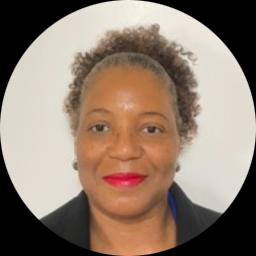
About Yolanda
Yolanda Townes is an LPC (Licensed Professional Counselor) in Alabama with 10 years of clinical experience. She focuses on helping people who feel stuck after changes in work, relationships, or health. Her main areas include trauma and abuse, anger, low self-esteem, career concerns, and coping with life changes.
She often works with people facing isolation, loneliness, and social anxiety. She helps clients sort through guilt, shame, and issues around forgiveness. Questions about life purpose and self-love are part of her practice too.
Yolanda uses a mix of approaches depending on what each person needs. She draws on client-centered methods to listen and reflect what matters most. She integrates cognitive behavioral techniques to identify unhelpful thoughts and try small behavior changes.
Her work also includes mindfulness practices to reduce reactivity and motivational interviewing to help people clarify what they want next. She may bring in psychodynamic ideas to look at long-standing patterns when helpful. Sessions emphasize clear conversation and practical steps that fit daily life.
People meet her to get perspective after confusing or painful changes. She helps them talk through what they value, notice patterns that hold them back, and try different ways of responding. Getting started involves a simple match process and scheduling a first session.
How her approaches are used in online sessions
Yolanda commonly uses client-centered therapy to listen closely and reflect what matters to the person. This approach focuses on understanding a person's values and concerns and helps build clarity about what to address first.She also draws on cognitive behavioral therapy, which looks at the links between thoughts, feelings, and behaviors. CBT is useful for managing social anxiety, mood concerns, and for testing small behavior changes that can shift daily routines.
Mindfulness practices are used to help reduce reactivity and increase present-moment awareness. These techniques can support emotional regulation during stressful transitions or when dealing with anger and shame.
Finding the right mix of methods is part of the work. She will collaborate with each person to choose approaches that match their goals, needs, and preferences. That choice is revisited as progress and priorities change.
Session formats are not specified in the original biography, so confirm current options before booking. Online sessions can make it easier to fit therapy into a busy week, shorten check-ins when needed, and avoid travel time. Many people find remote sessions help maintain continuity during life changes while allowing sessions to focus on practical steps and real-life problems.
Areas of expertise
Primary focus
Additional focus areas
Therapeutic approaches
Experience
10+ years
Listed in
Alabama
Languages
English
Frequently asked questions
What concerns does she work with?
She focuses on trauma and abuse, anger, self-esteem, career issues, and coping with life changes. Additional areas include loneliness, social anxiety, guilt, and life purpose.
How does she approach feeling stuck?
She combines client-centered listening with practical tools from cognitive behavioral therapy and mindfulness. The aim is to talk through current problems and try small behavior changes.
How much experience does she have?
She has 10 years of clinical experience working with adults on the issues listed in her profile.
What are her credentials and where is she based?
She is an LPC - Licensed Professional Counselor - practicing in Alabama.
Which languages are supported?
Sessions are offered in English.
Can international clients work with her?
She does not accept international clients at this time.
How are sessions paid for?
Cost varies with location and sessions use a subscription that can be canceled at any time.
How do I begin working with her?
Select the See online therapy options button, complete a short matching questionnaire, and schedule a first session.
Online talk therapy is not emergency care. If you are in danger, use the crisis numbers.