- Stress and anxiety
- Life purpose work
- Trauma and PTSD
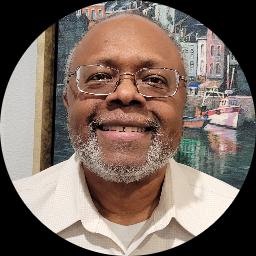
About William
Dr. William Philadelphia is a Licensed Clinical Mental Health Counselor (LCMHC) in North Carolina with 25 years of professional experience. He works with adults facing stress, anxiety, trauma and abuse, bipolar disorder, depression, and major life changes. He also focuses on concerns such as codependency, questions about life purpose, veteran and armed forces issues, mood and panic disorders, paranoia, personality disorders, seasonal affective disorder, and self-harm.
William frames work around the person’s experience and strengths. He describes clients as the experts in their own stories and treats therapy as a place to talk through what is getting in the way. Sessions use clear conversation and practical steps rather than jargon. He aims to make the process straightforward for someone feeling stuck after a job change, breakup, health event, or another life shift.
In practice he helps people break problems into manageable pieces. That can mean identifying small changes to daily routines, testing ideas between sessions, or adjusting ways of coping that no longer help. He listens for patterns that keep a person stuck and works with them to try alternatives. The pace is negotiated with each person so they can build on what already works for them.
His background includes long-term professional work across clinical settings. That experience informs how he recognizes common stress and mood patterns and how those link to life changes. He encourages realistic next steps and supports people through practical planning and problem solving.
To begin, he asks people to complete a short matching questionnaire and schedule a first session. Sessions use a subscription model that can be canceled at any time, and exact session options should be confirmed before booking.
How therapeutic approaches shape online work
Dr. Philadelphia uses evidence-based therapeutic techniques that focus on clear skills and practical change. One common strand emphasizes identifying unhelpful thought and behavior patterns and testing small changes. This approach helps with anxiety, depression, panic, and mood regulation by giving concrete alternatives to try between sessions.Another strand focuses on processing difficult experiences from trauma and abuse in a paced way. That involves noticing triggers, learning grounding strategies, and practicing ways to manage reactions so daily life becomes more manageable. These methods are aimed at reducing the hold of past events on current functioning without promising a specific outcome.
Choosing the right approach is part of the work and is done together. The therapist will discuss what feels most relevant to the person’s needs, goals, and preferences and adjust methods over time. That collaborative planning helps match techniques to what actually helps in day-to-day life.
Session formats are not listed in the biography, so confirm current online options before booking. In general, online sessions can make it easier to fit meetings around work, reduce travel time, and allow shorter check-ins when needed. They can also be useful when someone prefers not to be on camera or needs a lower-bandwidth option, but check which formats this therapist offers when you schedule.
Areas of expertise
Primary focus
Additional focus areas
Experience
25+ years
Listed in
North Carolina
Languages
English
Frequently asked questions
What kinds of problems does he help with?
He works with adults on stress, anxiety, trauma and abuse, bipolar disorder, depression, and coping with life changes. Additional focuses include codependency, life purpose, veteran issues, mood and panic disorders, paranoia, personality disorders, SAD, and self-harm.
How does he approach someone who feels stuck?
He treats the person as the expert on their story and looks for patterns that keep them stuck. Sessions focus on practical conversation, small steps, and trying different coping strategies between meetings.
What is his clinical background?
He has 25 years of professional experience working in clinical settings. That long-term practice informs how he recognizes stress and mood patterns and suggests practical next steps.
What credentials and location does he hold?
He is a Licensed Clinical Mental Health Counselor (LCMHC) licensed in North Carolina.
Which languages are sessions offered in?
Sessions are offered in English.
Can international clients work with him?
International clients are not currently accepted; sessions are arranged for people based in the permitted region.
How are sessions billed?
Sessions are billed through a subscription model that can be canceled at any time. Exact costs vary with location.
What are the first steps to begin?
Start by selecting the See online therapy options button, complete a short matching questionnaire, and then schedule your first session.
Online talk therapy is not emergency care. If you are in danger, use the crisis numbers.