- Person-centered work
- Mindfulness practices
- CBT and solution-focused
About Tanya
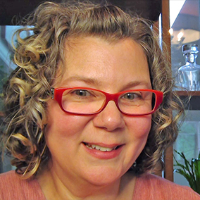
Tanya Richmond is an LCSW - a licensed clinical social worker in North Carolina - with 26 years of practice. She works with people dealing with stress, anxiety, grief, self-esteem concerns, trauma and abuse, compassion fatigue, career questions, and life purpose. Tanya also supports issues related to aging, caregiving strain, hospice and end-of-life concerns, intellectual disability, and isolation.
Her approach centers on person-centered work and practical skills. Sessions focus on listening to what matters to the client, then using mindfulness, cognitive-behavioral ideas, solution-focused steps, and trauma-informed techniques when helpful. She incorporates breathing practices, guided meditation, and gentle movement like Qi Gong when appropriate.
Tanya prefers straightforward conversation. She asks what is most important and then helps people think through small, manageable changes. That can include stress reduction strategies, ways to reframe anxious thoughts, or steps for coping with loss and end-of-life planning.
People who are caregivers or who face aging and medical transitions will find experience here with caregiver stress and hospice-related questions. Tanya also addresses career uncertainty and the search for life purpose without relying on labels or rigid plans.
Her work is reflective and engaging, with attention to dignity and respect. Sessions are practical and paced to the person's needs, focusing on tools and choices that can be used outside the session. To begin, clients follow the service's matching and scheduling process to set a first session.
Approaches used in online sessions
Client-centered work focuses on listening closely and following what matters most to the client. It helps people clarify goals and feel heard while deciding what changes to try. Cognitive Behavioral Therapy (CBT) looks at unhelpful thinking patterns and practical behavior changes; it is useful for anxiety, stress, and concerns that get in the way of daily life. Mindfulness Therapy teaches simple attention and breathing practices to reduce reactivity and strengthen coping during difficult moments.Finding the best approach is part of the work. The therapist will collaborate with the client to choose techniques that fit the person's needs, goals, and pace. That process may mix listening-based sessions with skills practice such as breathing exercises, reframing thoughts, or brief solution-focused plans.
Specific session formats are not listed in the biography, so confirm the available online options before booking. When arranged, online sessions can make it easier to fit therapy into a busy schedule, allow for shorter check-ins when needed, and let people use mindfulness or breathing exercises at home between sessions. Licensed professionals adapt online work to focus on practical tools and steps that carry over into everyday life.
Areas of expertise
Also works with
Additional focus areas
Therapeutic approaches
Experience
26+ years
Listed in
North Carolina
Languages
English
Frequently asked questions
What kinds of concerns does she address?
She works with stress, anxiety, grief, self-esteem, trauma and abuse, compassion fatigue, career questions, and life purpose among other issues.
How would she approach feeling stuck or directionless?
Her style is person-centered and practical. She listens for what matters and then uses mindfulness, CBT ideas, and solution-focused steps to help people try different options.
How much experience does she have?
Tanya has 26 years of experience in social work and counseling-related settings.
What are her credentials and where is she based?
She is an LCSW licensed in North Carolina.
Does she work in languages other than English?
Sessions are offered in English.
Can people from other countries work with her?
International clients are not currently accepted.
What session formats are offered?
Session formats are not specified here; please confirm current online and in-person options before booking.
How do I start a first session?
Select the See online therapy options button, complete the short matching questionnaire, and schedule a first session.
Online talk therapy is not emergency care. If you are in danger, use the crisis numbers.