- Stress and anxiety
- Life transitions
- Attachment issues
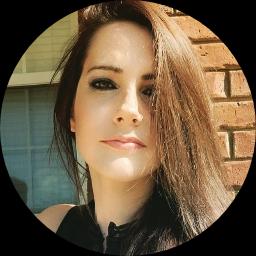
About Sierra
Sierra Slay is a Licensed Clinical Social Worker (LCSW) practicing in Montana with seven years of clinical experience. She has a Doctorate in Social Work and has worked with people facing anxiety, depression, relationship challenges, and major life transitions.
Sierra also has experience as a college professor, which she uses to explain emotional patterns in clear, practical terms. She breaks down difficult material into manageable steps so people can make sense of what they are feeling.
Her style is collaborative and direct. She treats clients as the experts on their own lives and offers guidance that focuses on strengths rather than just symptoms. She aims to reduce stigma and to approach concerns without judgement.
Sierra uses an integrative method that draws on evidence-based techniques. Sessions involve talking through current problems, identifying patterns such as attachment or communication issues, and practicing specific tools to cope with stress and shame.
She works with concerns tied to life changes, including issues around self-esteem, loneliness, first responder and veteran-related stress, forgiveness, and finding life purpose. The tone of sessions is practical and educational, with attention to concrete steps someone can try between meetings.
Evidence-based approaches and working online
Sierra describes her work as integrative and evidence-based. Two common techniques she draws on are cognitive-behavioral strategies, which look at how thoughts shape feelings and actions and help with anxiety and depression, and attachment-focused ideas that examine how early patterns affect current relationships and communication. Both approaches emphasize practical skills to test in everyday life.Choosing the right method is part of the work. Sierra will collaborate with clients to figure out which techniques match their goals and preferences. That choice evolves over several meetings and may blend different tools to address stress, shame, or life-purpose questions.
The biography does not list specific online session formats. Before booking, confirm which formats are currently offered. Online sessions can make it easier to fit therapy into a busy week, allow shorter check-ins when needed, and reduce travel time. These practical benefits help people maintain consistency while they work through relationship concerns, transitions, or issues with self-esteem.
Areas of expertise
Primary focus
Additional focus areas
Experience
7+ years
Listed in
Montana
Languages
English
Frequently asked questions
What kinds of concerns does she help with?
Sierra works with stress, anxiety, depression, relationship challenges, and coping with life changes. She also focuses on issues like attachment, communication problems, loneliness, and life purpose.
How does she approach feeling stuck or directionless?
She uses a collaborative, integrative approach that pulls from evidence-based techniques. Sessions focus on identifying patterns, practical tools, and small steps to test between meetings.
What is her clinical background?
She holds a Doctorate in Social Work and has seven years of clinical practice. Her time as a college professor informs a clear, educational way of explaining emotional patterns.
What credential does she hold and where is she based?
She is an LCSW licensed in Montana and provides services from that location.
Can I work with her if I live outside the United States?
Sessions are offered in English and she is not currently accepting international clients.
Which session formats does she offer?
The original biography does not list specific session formats. Please confirm current session options before booking.
How are sessions paid for and what does it cost?
Cost varies with location and sessions use a subscription that can be canceled at any time. Exact pricing is provided during the sign-up process.
How do I begin working with her?
Start by selecting the See online therapy options button, completing a short matching questionnaire, and scheduling your first session.
Online talk therapy is not emergency care. If you are in danger, use the crisis numbers.