- Stress and anxiety
- Life changes
- Solution-focused work
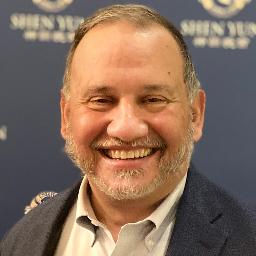
About Richard
Richard Rivera is a Licensed Clinical Social Worker, LCSW, practicing in New Jersey with 40 years of professional experience. He helps people who are dealing with stress, anxiety, relationships, family conflict, grief, and major life changes. He also focuses on forgiveness, life purpose, and post-traumatic stress.
Richard works from the view that people know their own stories best. He listens for strengths and practical steps a person can take. Sessions emphasize clear goals and small, manageable changes rather than long theoretical talks.
He uses Client-Centered Therapy to follow what the person brings to the room and to encourage their own insights. He also draws on Solution-Focused Therapy to identify immediate next steps that can reduce stress and restore a sense of control. These methods are presented simply and directly during sessions.
In a meeting with him, a person can expect straightforward conversation about current problems, patterns that keep those problems going, and specific actions to try between sessions. He aims to help people test what works for them and adjust plans as needed.
Richard has worked with people across many settings over four decades. That background informs how he frames choices and coping strategies, especially for those reassessing what matters after a career, relationship, or health change.
How Richard uses client-centered and solution-focused work online
Client-Centered Therapy centers on the person's experience. The therapist listens without pushing a fixed plan and follows what matters most to the individual. This approach is useful when someone needs to talk through confusing feelings or clarify personal values.Solution-Focused Therapy focuses on concrete next steps. Sessions look for what has worked in the past, set small achievable goals, and track progress. This can help when someone wants fast, practical ways to reduce stress or move through a life transition.
Finding the right approach is part of the work. Richard will discuss goals, preferences, and how each method might fit. He treats approach as a collaborative choice and will adjust methods as needs become clearer.
The original biography does not name specific online session formats, so confirm available formats before booking. Online sessions can make it easier to fit meetings into a busy week, allow shorter check-ins when needed, and avoid travel time. Licensed professionals can use these options to help people balance therapy with daily responsibilities while focusing on practical steps and coping strategies.
Areas of expertise
Primary focus
Additional focus areas
Therapeutic approaches
Experience
40+ years
Listed in
New Jersey
Languages
English
Frequently asked questions
What concerns does he help with?
He works with stress, anxiety, relationship and family conflict, grief, coping with life changes, forgiveness, life purpose, and post-traumatic stress.
How does he approach someone feeling stuck?
He uses Client-Centered and Solution-Focused approaches that focus on a person's strengths and practical next steps. Sessions aim to identify small actions to try between meetings.
How much experience does he bring?
He has 40 years of professional work experience in social work and related settings, which informs his practical approach to coping and decision points.
What are his credentials and where is he based?
He is a Licensed Clinical Social Worker, LCSW, licensed in New Jersey and practices there.
Can I work with him if I live outside the U.S.?
He accepts international clients and conducts sessions in English.
What session formats does he offer?
The original biography does not list specific session formats; please confirm current session options before booking.
How are fees handled?
Cost varies with location and sessions use a subscription that can be canceled at any time.
How do I begin a first session?
Select the See online therapy options button, complete a short matching questionnaire, and schedule a first session.
Online talk therapy is not emergency care. If you are in danger, use the crisis numbers.