- Stress and anxiety
- Relationship help
- Life purpose focus
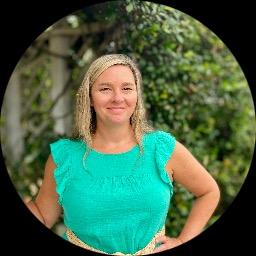
About Rachel
Rachel Hillegass is a Licensed Clinical Social Worker (LCSW) in Florida with five years of experience. She works with people handling stress, anxiety, relationship difficulties, grief, self-esteem problems, and coping with life changes. Rachel also helps clients question life purpose and improve communication skills.
She uses evidence-based therapeutic techniques and keeps sessions straightforward and practical. Conversations focus on current problems and skills that can be tried between meetings. Rachel prioritizes collaboration, making decisions together about what to try next.
In therapy she listens for clear patterns that keep problems repeating. Then she helps people test small changes and build new habits. Sessions include talking through feelings, practicing different ways to communicate, and experimenting with real-life steps toward goals.
Rachel describes the work as gradual and hands-on. Some weeks focus on coping strategies for stress and anxiety. Other weeks look at relationships, grief, or sense of purpose, depending on what the client brings.
Clients can expect direct conversation and practical steps they can use outside sessions. Rachel draws on five years of clinical work in Florida to guide choices about methods and pacing. She offers sessions in English and does not take international clients at this time.
Evidence-based approaches and online sessions
Rachel uses evidence-based therapeutic techniques to address stress, anxiety, relationship strains, grief, and life purpose questions. One common approach focuses on identifying unhelpful thought patterns and testing new ways of thinking and acting to reduce anxiety and improve mood. Another approach centers on practical communication skills - practicing what to say, noticing reactions, and trying different phrases to change how conversations go.Finding the right approach is part of the work. She will collaborate with each client to decide which techniques to try based on needs, goals, and preferences. That process may shift as issues change or new concerns arise.
The biography does not list specific session formats. Confirm the available online session options before booking so you know how sessions fit into your routine. Online work can make scheduling easier, reduce travel time, and allow shorter check-ins when needed. Therapists can also use online sessions to focus on skill practice between face-to-face meetings, helping therapy fit into a busy life.
Areas of expertise
Primary focus
Additional focus areas
Experience
5+ years
Listed in
Florida
Languages
English
Frequently asked questions
What concerns does she help with?
She works with stress, anxiety, relationship problems, grief, self-esteem, and coping with life changes. Life purpose and communication problems are also focus areas.
How does she approach feeling stuck or directionless?
Her approach uses evidence-based techniques and practical steps. Sessions focus on identifying patterns and testing small changes to see what helps.
How much clinical experience does she have?
She has five years of professional experience as a clinician. That experience shapes how she selects everyday tools and pacing for sessions.
What are her credentials and where does she practice?
She is a Licensed Clinical Social Worker, LCSW, licensed in Florida. Her practice is based in Florida.
Does she work in languages other than English?
Sessions are offered in English. She does not accept international clients at this time.
What session formats does she offer?
Session formats are not listed in the biography. Confirm current session options with the provider before booking.
How are fees handled?
Cost varies with location and sessions use a subscription model that can be canceled at any time. Specific pricing depends on location and plan details.
How do I start working with her?
Select the See online therapy options button, complete a short matching questionnaire, and schedule a first session. That begins the intake and scheduling process.
Online talk therapy is not emergency care. If you are in danger, use the crisis numbers.