- CBT techniques
- Mindfulness skills
- EMDR for trauma
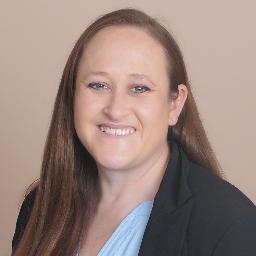
About Lauren
Lauren MacPherson is a Kansas-licensed clinical social worker (LSCSW) with 16 years of experience. She works with adults facing stress, anxiety, trauma and abuse, depression, and life changes. Her practice also addresses parenting concerns, compassion fatigue, LGBT issues, grief, anger, self-esteem, career questions, and ADHD.
Lauren uses straightforward talk and practical strategies in sessions. She draws on client-centered work to follow what matters to each person. Cognitive Behavioral Therapy techniques are used to notice unhelpful thoughts and try different behaviors. Dialectical Behavior Therapy skills and mindfulness help with emotion regulation and staying present.
EMDR is part of her toolkit for processing traumatic memories when that fits a person’s needs. Lauren also uses solution-focused methods to set short-term goals and test small changes between meetings. She emphasizes improving communication and reducing isolation for people who feel stuck after changes at work, relationships, or health.
Sessions tend to focus on clear, manageable steps. Lauren helps people name what’s most urgent and then practices skills during appointments. She supports exploring life purpose as one thread among other goals during therapy.
Her approach is collaborative and goal-oriented. People who want concrete tools, space to reflect, and help reconnecting to daily routines may find this style useful.
How her approaches translate to online work
Lauren commonly uses Client-Centered Therapy, Cognitive Behavioral Therapy (CBT), and EMDR in her practice. Client-Centered Therapy focuses on listening and responding to what matters most to the client, which helps people clarify goals and make decisions. CBT offers concrete techniques to identify unhelpful thoughts and try different behaviors, useful for anxiety, depression, and career decisions. EMDR involves guided attention processes aimed at reducing the intensity of traumatic memories and can be used when trauma processing is a priority.Finding the right approach is part of the work together. She will talk with clients about goals, symptoms, and preferences and then suggest which methods to try. That way the plan reflects what the client wants and what feels workable in day-to-day life.
Confirm the therapist's current session options before booking since specific formats are not listed in the biography. Online work can make it easier to fit appointments around work and family obligations, allow shorter check-ins when needed, and remove commute time. It also lets people practice skills and communication in their normal routines. The therapist will discuss which session style fits each person’s needs during the initial match and early appointments.
Areas of expertise
Also works with
Additional focus areas
Therapeutic approaches
Experience
16+ years
Listed in
Kansas
Languages
English
Frequently asked questions
What kinds of concerns does she address?
She works with stress, anxiety, depression, trauma and related issues like grief, self-esteem, and life changes.
How does she approach feeling stuck or directionless?
Her work blends client-centered listening with CBT and solution-focused steps to set short-term goals and test changes between sessions.
What is her background and experience?
She holds an LSCSW and has 16 years of clinical experience supporting adults through trauma, mood concerns, and life transitions.
Where is she licensed and practicing?
She is licensed in Kansas as an LSCSW and practices with that credential in that state.
In which languages can sessions be held?
Sessions are offered in English.
Are international clients accepted?
International clients are not currently accepted.
How are sessions structured and formatted?
Please confirm current session options before booking, as the biography does not list specific formats.
How does pricing work and how do subscriptions operate?
Cost varies with location; sessions use a subscription that can be canceled at any time.
Online talk therapy is not emergency care. If you are in danger, use the crisis numbers.