- Client-Centered Therapy
- Cognitive Behavioral Therapy
- Solution-Focused Therapy
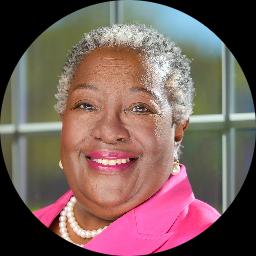
About DeWanna
Dr. DeWanna Greer is a Licensed Professional Counselor (LPC) in Texas with 16 years of experience helping adults who feel stuck after big life changes. She works with concerns such as stress, anxiety, grief, low self-esteem, career questions, and finding life purpose. Sessions focus on practical ways to move forward rather than vague reassurance.
Her approach blends Client-Centered Therapy with Cognitive Behavioral Therapy and Solution-Focused techniques. That means conversations look at how thoughts affect feelings, and then test small, doable changes. She also uses Trauma-Focused Therapy when past events keep causing distress.
In practice the work is straightforward. She listens to each person’s situation, identifies patterns that make problems persist, and helps build simple experiments to try different ways of coping. For career and life-purpose concerns she helps clarify values and practical next steps instead of offering immediate big answers.
Dr. Greer’s background includes counseling adult students and student veterans, and she has worked with people from many walks of life. That breadth informs how she frames challenges related to work, caregiving, blended families, aging, and post-traumatic stress.
Sessions are held in English and reflect issues like workplace stress, fatherhood concerns, hospice and end-of-life counseling, money problems, and communication difficulties. If someone wants to begin, they complete a short matching questionnaire and schedule a first appointment through the provided booking flow.
Therapeutic approaches used for online sessions
Dr. Greer draws on Client-Centered Therapy and Cognitive Behavioral Therapy in her online work. Client-Centered Therapy emphasizes listening and building on what matters to the client, helping people describe their goals and concerns in their own words. Cognitive Behavioral Therapy focuses on how thoughts and behaviors interact, and it offers concrete tools for reducing anxiety and stress.She also uses Solution-Focused Therapy when people want brief, goal-oriented work. That approach narrows attention to practical next steps and small experiments that can be tried between meetings. Deciding which approach to use is a collaborative process; she will review goals and preferences and recommend a path forward together with the client.
The original biography does not list specific online formats, so confirm the available session types before booking. In general, online sessions can make it easier to fit meetings into a busy day, allow shorter check-ins when time is limited, and remove the need to travel. The therapist will discuss which session rhythm and format best fit the client’s schedule and goals during the initial matching and first appointment.
Areas of expertise
Primary focus
Additional focus areas
Therapeutic approaches
Experience
16+ years
Listed in
Texas
Languages
English
Frequently asked questions
What concerns does she help with?
She works with stress, anxiety, grief, low self-esteem, career questions, and coping with life changes, including life purpose concerns.
How does she approach feeling stuck?
Her style combines Client-Centered listening with CBT and Solution-Focused methods to identify patterns and try small practical changes.
What is her experience working with adults?
She has 16 years of professional counseling experience and has worked with adult students, student veterans, and people from varied backgrounds.
Is she a licensed clinician and where is she based?
She is an LPC licensed in Texas and provides services listed for that state.
Which languages are supported?
Sessions are offered in English.
What session formats are offered?
The biography does not specify exact session formats; please confirm current session options before booking.
How are fees handled?
Cost varies with location and sessions use a subscription model that can be canceled at any time.
How do I begin working with her?
Select the See online therapy options button, complete a short matching questionnaire, and schedule a first session.
Online talk therapy is not emergency care. If you are in danger, use the crisis numbers.