- Grief support
- Caregiver stress
- Life transitions
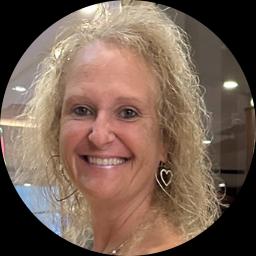
About Christine
Christine Peters is a Licensed Clinical Social Worker (LCSW) with 11 years of experience in Florida. She works with adults who are dealing with stress, anxiety, depression, grief, low self-esteem and life changes. Christine also supports people facing issues around aging, caregiving, isolation, guilt, end-of-life concerns and questions about life purpose.
She uses evidence-based therapeutic techniques and focuses on practical, real-world steps people can try between sessions. Conversations are paced to fit each person’s needs, with time for problem-solving and making sense of difficult emotions. Christine helps people name what feels stuck and then tests small changes to see what helps.
Her approach emphasizes connection and collaboration. She listens for patterns in thinking and behavior, and then introduces tools that are straightforward to use. Sessions often include practicing new ways of responding to stress and building habits that reduce overwhelm.
Christine has worked with adults through many kinds of transitions, including caregiving stress and bereavement. She draws on her years of clinical experience to support people who are reevaluating work, relationships, health, or their sense of purpose.
If you are feeling directionless after a major change, Christine guides clear, manageable next steps. To begin, follow the site prompts to complete a brief matching questionnaire and schedule a first session.
How therapeutic methods translate to online sessions
Christine uses evidence-based therapeutic techniques in sessions, focusing on approaches that help with mood, stress, grief and life transitions. One common approach is problem-focused work that breaks big concerns into manageable steps and practices concrete skills to reduce distress. This helps when daily overwhelm or decision paralysis gets in the way of moving forward.Another commonly used method is structured emotional processing that helps people name and sit with painful feelings while learning new responses. This can be useful for grief, guilt, shame and the emotional strain of caregiving or end-of-life concerns.
Finding the right approach is part of the work. Christine collaborates with each person to decide which techniques fit their needs, goals and preferences. She adjusts pace and tools over time based on how someone responds, so the plan evolves rather than being fixed from the start.
Confirm the therapist's current session options before booking since session formats are not specified in the biography. Online sessions can make it easier to fit therapy into a busy schedule, reduce travel time, and offer shorter check-ins when needed. They also let someone keep therapy in the same routine as work or caregiving responsibilities, while the therapist helps adapt exercises so they work in everyday life.
Areas of expertise
Additional focus areas
Experience
11+ years
Listed in
Florida
Languages
English
Frequently asked questions
What concerns does she help with?
She works with adults on stress, anxiety, depression, grief, self-esteem and coping with life changes, including life purpose questions.
How does she approach feeling stuck?
She uses evidence-based techniques and practical steps. Sessions focus on identifying patterns and testing small changes between appointments.
How many years has she practiced?
Christine has 11 years of clinical experience providing care in Florida.
What are her credentials and location?
She is a Licensed Clinical Social Worker, FL LCSW, and practices in Florida.
Are sessions available in other languages?
Sessions are offered in English.
Can I work with her from another country?
International clients are not currently accepted; sessions are provided to clients located in Florida.
How are fees handled?
Cost varies with location and sessions use a subscription that can be canceled at any time.
What do I do to start a session?
Select the See online therapy options button, complete a short matching questionnaire, and schedule your first session.
Online talk therapy is not emergency care. If you are in danger, use the crisis numbers.